What to Look For When Sourcing New Energy Vehicle Forgings: Hub & Base Parts With Forging, Heat Treatment and Machining
For anyone sourcing structural parts for new energy vehicles, balancing lightweight design and long-term durability is always a real headache. A lot of buyers start with cast components, only to run into fatigue issues once the vehicle hits real road conditions. That’s why more engineering teams turn to reliable forgings for critical spots, including the hub and base.
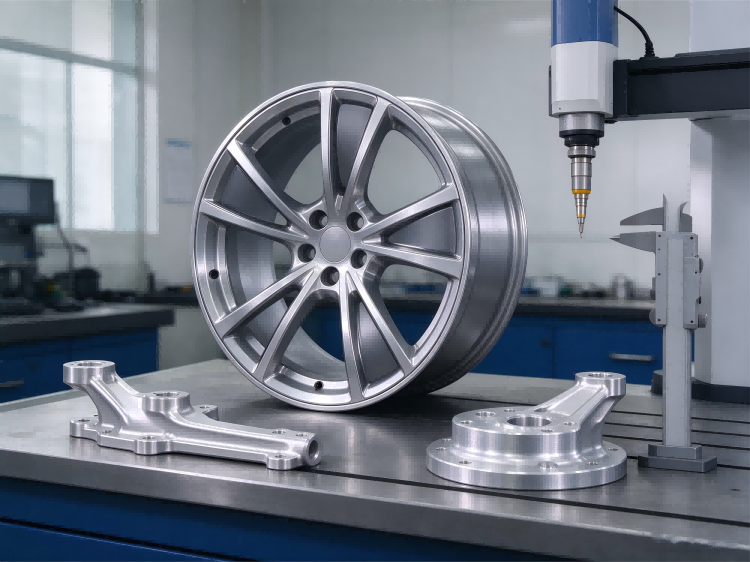
The forging process works by compressing metal at controlled temperature. This pushes the metal grain lines to follow the load direction the part will face. For an EV hub, this structural feature cannot be overlooked. It carries continuous road shocks and motor torque every mile. Poor grain flow from rushed forging work will lead to early cracking, which is a major safety concern. The base, often used to mount batteries or drive motors, also counts on this solid metal structure. It must hold steady under vibration without adding too much extra weight.
Heat treatment is not a secondary step you can skip after forging. Hot forged parts naturally build up uneven internal stress. If this stress stays inside, the piece may shift shape during later machining, or warp after you assemble it on the vehicle. We adjust quenching and tempering cycles based on material specs and customer drawings. This step sets the right hardness and impact resistance. For Tier 1 NEV projects, we keep batch records for every heat treatment run, as most automotive clients require full traceability during audits.
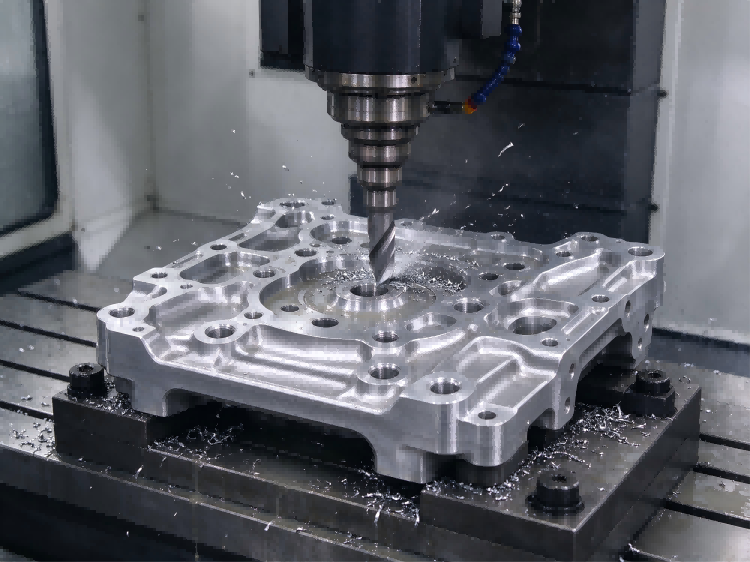
After heat treatment comes precision machining. The forging blank leaves a small stock allowance for finishing work. Machining brings mounting holes, sealing faces and hub run out down to tight tolerances. Even tiny dimensional errors here create vibration, abnormal noise and faster wear at high speeds. Our technical team likes to go over tolerance requirements with buyers early, so we reserve reasonable machining stock and cut down expensive rework later on.
We’ve seen many customers split production across multiple factories: one shop does forging, another handles heat treatment, and a third runs machining. This arrangement often creates confusion when quality problems pop up. Working with one supplier that manages forging, heat treatment and machining in-house makes troubleshooting much easier. We can tweak forging parameters if machining finds unstable stock, or adjust heat treatment cycles when hardness results are off target.
When comparing suppliers of new energy vehicle forgings, don’t focus only on price. Ask for process documents, material test certificates, heat treatment records and first article inspection data. Check whether they have delivered hub and base forgings for actual NEV platforms, instead of only making general mechanical parts. Prototyping batches are good for validation, but you also need to confirm they can keep consistent quality as your order volume grows.
If you hold drawings for hub, base or other new energy vehicle forgings, feel free to send them over. We will review your specs, talk through material options and process routes, then offer a clear quotation with confirmed lead time. Our team supports custom forging, heat treatment and machining solutions tailored to your NEV development plans.