How to Source Reliable Gear Forgings for Wind Power and Construction Machinery
If you’re sourcing gear forgings for wind power or construction machinery, understand how forging, heat treatment and machining define the long-term reliability of your gears.
I’ve spoken with dozens of purchasing and engineering teams over the years. A recurring problem keeps popping up: gears that pass incoming inspection, then fail way ahead of schedule once fitted into gearboxes. Most teams naturally start their evaluation with prints, tolerance stacks and price comparisons. That is normal, but many overlook one basic fact: everything hinges on a properly made gear forging blank.
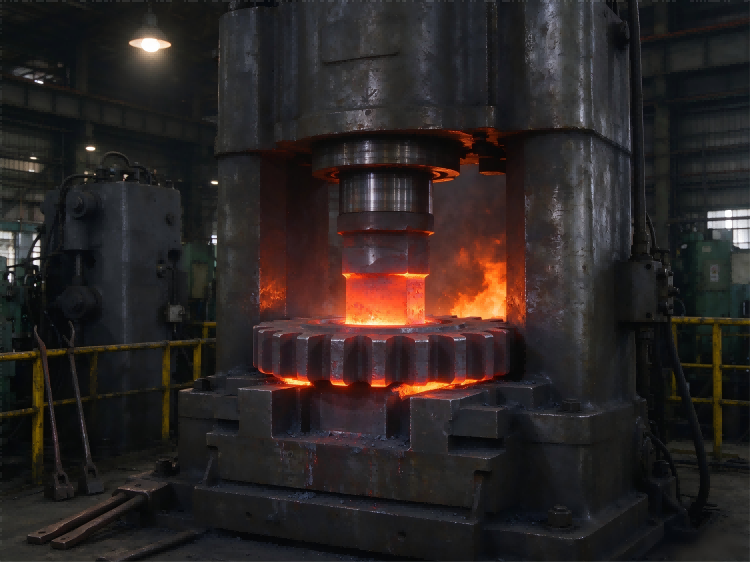
Casting can look attractive on quotation sheets. Still, tiny voids and loose metal grain hide inside these parts. Under cyclic torque and sharp impact loads typical for wind power and construction machinery, those hidden weaknesses spread, until the gear cracks or wears out fast. That’s the reason many gearbox OEMs stick with gear forgings for their critical transmission stages.
Forging is more than heating steel and pressing it into shape. Its real value comes from re-aligning the internal grain flow, so the metal fibres follow the gear’s contour. This change boosts toughness and bending strength right at the tooth root, the spot most likely to fracture under heavy load. We select open or closed die forging based on gear size and its actual working load. Our shop tracks heating cycles, press force and cooling rates closely. Any serious defect formed at this stage can’t be fully fixed later, no matter how good heat treatment or machining is. Visual and ultrasonic checks happen right after forging for this exact reason.
Heat treatment tunes the metal to match what the part must endure. Wind power gears run under constantly shifting wind loads, often for two decades or more. For these units, we mostly rely on carburised quenching or vacuum hardening. The surface becomes hard enough to resist wear, while the core stays ductile to soak up sudden shocks. Gears used in construction machinery take repeated hard load spikes on excavators, loaders and cranes. For those, we run custom quench and temper cycles instead. We keep furnace run logs, hardness reports and case depth records for every batch, ready whenever your QA team asks for audit files.
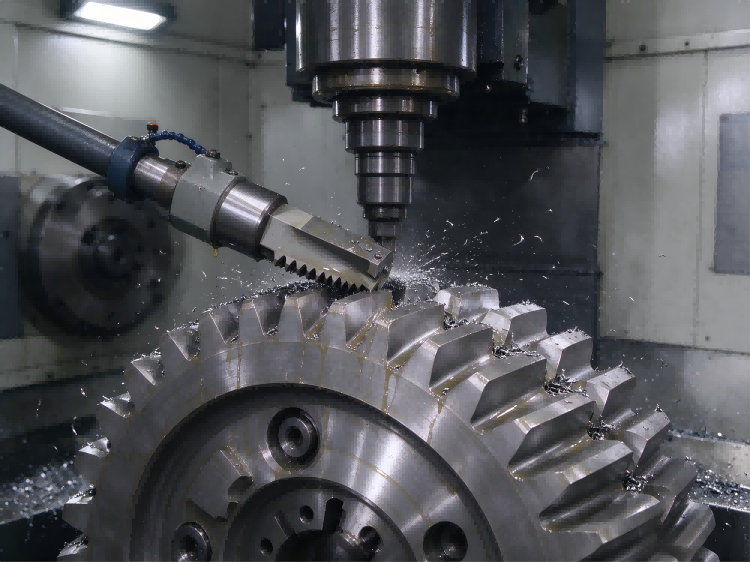
Once heat treatment and non-destructive checks finish, forgings go into machining. That step includes rough turning, hobbing, tooth grinding and bore finishing. Minor drift in tooth profile, runout or surface roughness builds up over time. It creates vibration, noise and faster wear. Even a well-forged blank with correct heat treatment will not hold up if machining tolerances drift outside your drawing limits. Our machining group works from custom customer drawings, for both wind turbine and construction machinery programs.
Our gear forgings serve two demanding markets. Wind turbine assemblies deal with unstable, long-running fatigue loading. Construction site equipment sees repeated impact and heavy static loads. The core workflow stays consistent: forging, heat treatment, machining. Even so, we switch steel grades and adjust heat treatment recipes separately for each application.
When you screen a new supplier, don’t settle on price alone. Check if they own the whole process in-house: raw material test, forging, heat treatment, machining and final NDT. A large number of vendors are just traders, sending work out to separate small workshops. That scattered supply chain brings inconsistent quality and longer lead times. If your gear design gets revised, a full-process factory can adjust forging stock, heat treatment settings and machining allowance quickly.
Wrap up
Gear forgings form the core of heavy-duty drive systems for wind power and construction machinery. Stable service life comes from well-controlled forging to align grain flow, custom heat treatment that balances hardness and toughness, and precise machining to meet your drawing specs. If you are looking for custom gear forgings with complete material certificates and traceable process records, send your drawings and load specs over. We can build out a reliable supply schedule that matches your gearbox assembly plan.