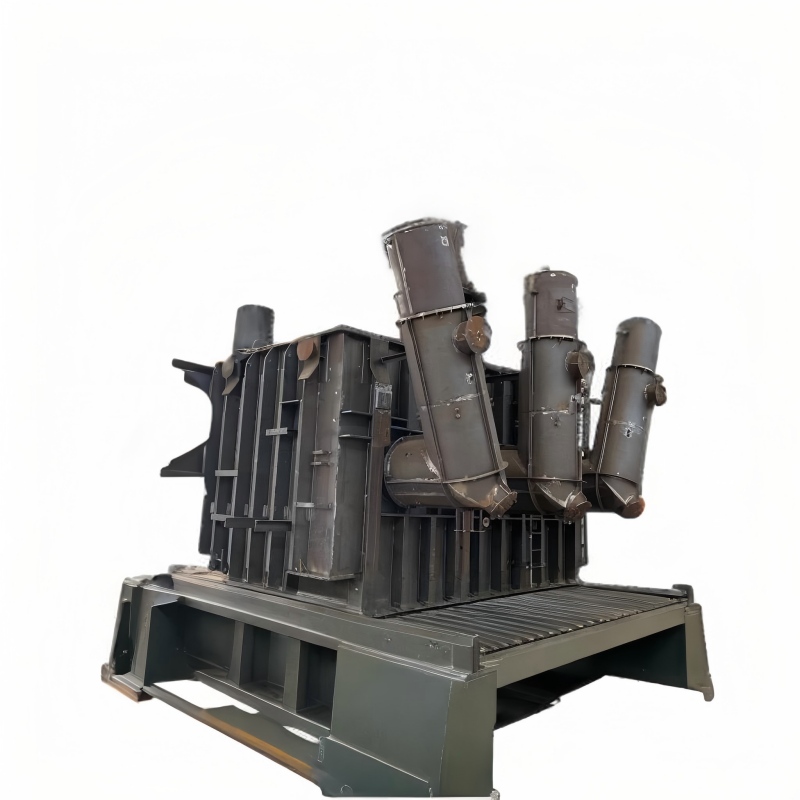
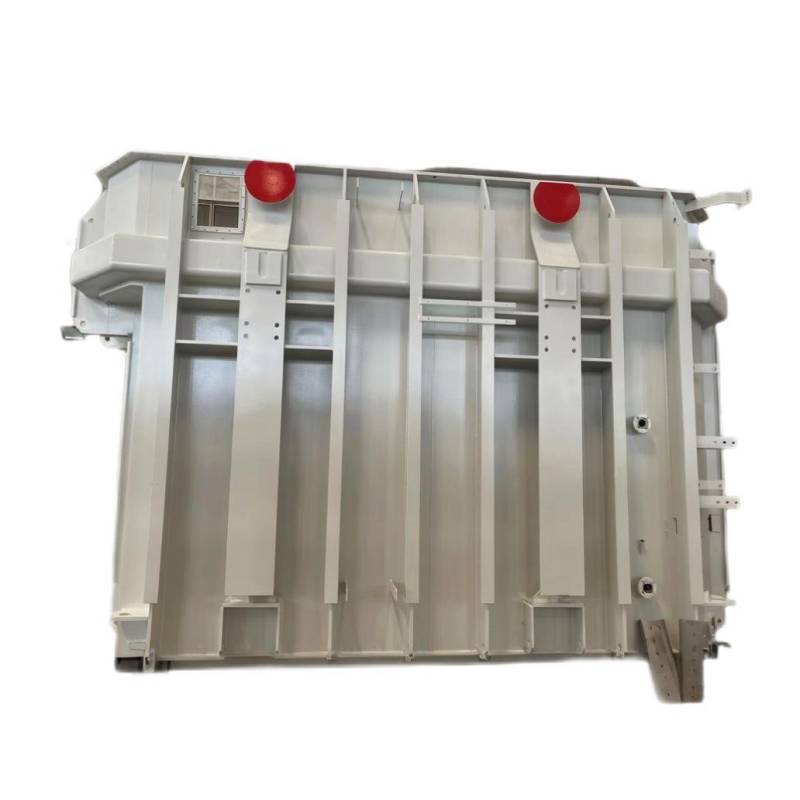
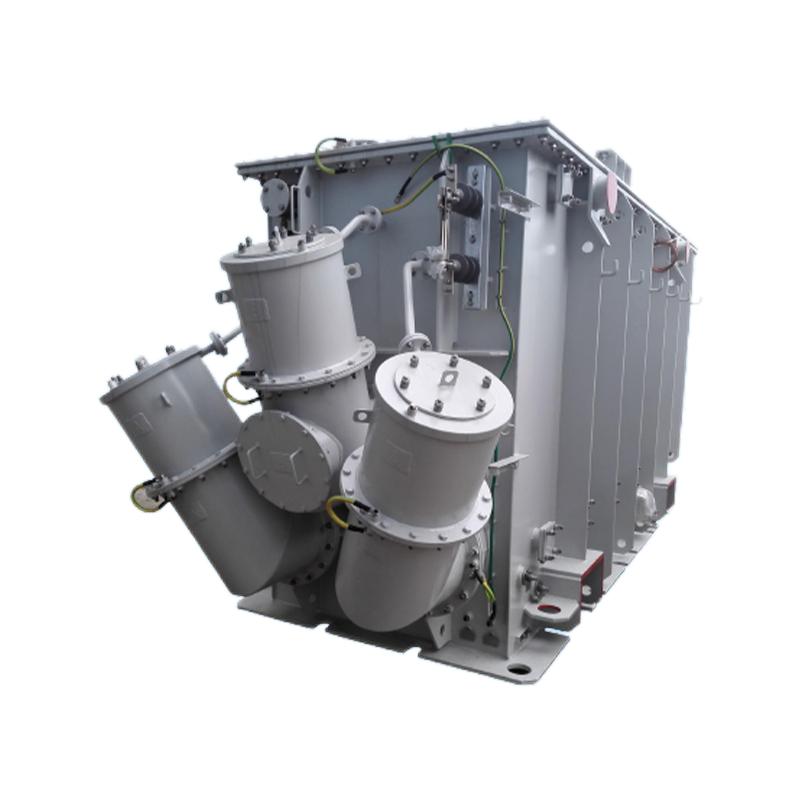
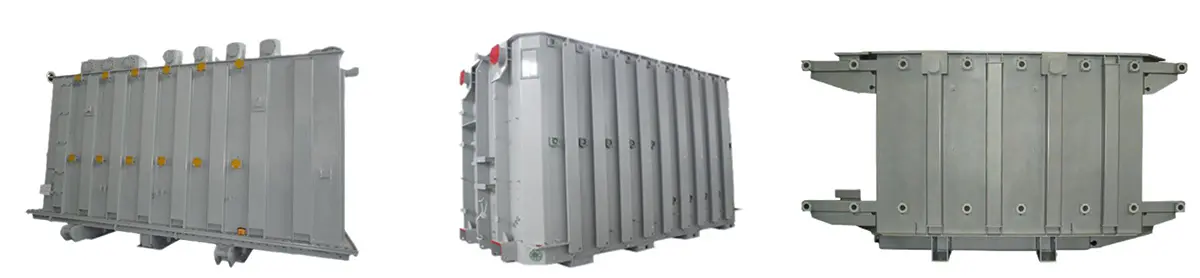
Oil Tank Transformer Shell Parts
1.Material:Q355
2.Machining accuracy: ±1.5mm
3.Mold opening cycle: About 0 days
4.Craft: Welding
5.Advantages:
Full-process inspection
Full-process processing capability
Full-range products
6. Weight/Size:The material consumption and finished product weight shall be determined based on the customer's drawings.
Product Introduction:
As a critical protective structure for power transformers, the welded transformer oil tank shell fulfills several indispensable functions. Beyond enclosing the insulating oil, it safeguards the internal core and windings from external damage while maintaining an airtight operating environment. Constructed by welding high-grade strength steel plates, this component forms a sealed container that integrates structural integrity with protective performance. Various welding techniques applied in its fabrication effectively prevent the intrusion of ambient moisture and dust, thereby preserving the purity of the insulating oil and the functionality of internal components. Moreover, it enables smooth circulation of the insulating oil, which enhances heat dissipation efficiency and ensures the reliable, steady operation of the transformer under various working conditions.
Product Advantages:
A key element of power transformers, the transformer oil tank casing undertakes essential roles including shielding internal components, ensuring insulation integrity, enabling heat dissipation, and maintaining a sealed environment. Designed with impact resistance in mind, it also delivers sturdy support to the transformer’s internal parts—securing them firmly against electromagnetic forces and preventing stress-related deformation that might compromise operational efficiency. Acting as a hermetically sealed container, the casing enhances insulation performance by blocking moisture penetration, avoiding oil leakage, and optimizing heat transfer processes. Together, these features are instrumental in minimizing the failure rate of internal transformer components, reducing downtime losses caused by malfunctions, improving the equipment’s long-term operational stability, and decreasing its total life-cycle expenses.
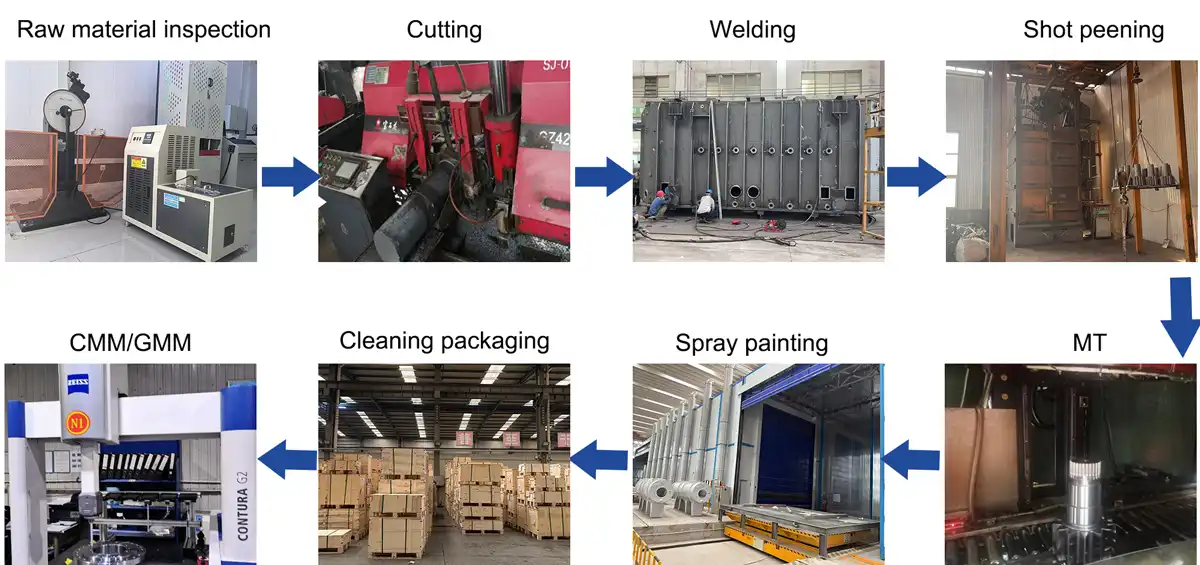
Production Process:
Raw material inspection → Cutting → Welding → Shot peening → MT→Spray painting→ Cleaning packaging →CMM/GMM
Packaging and Shipping:
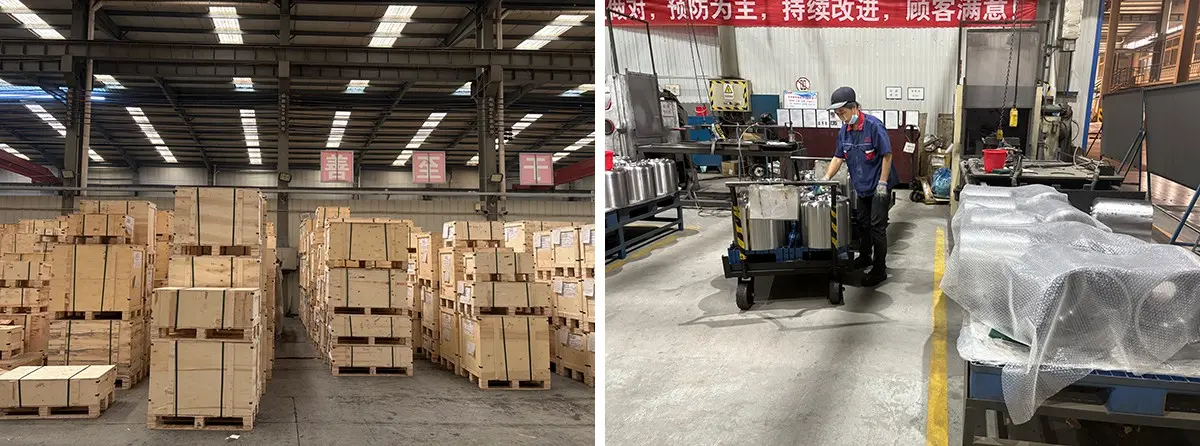
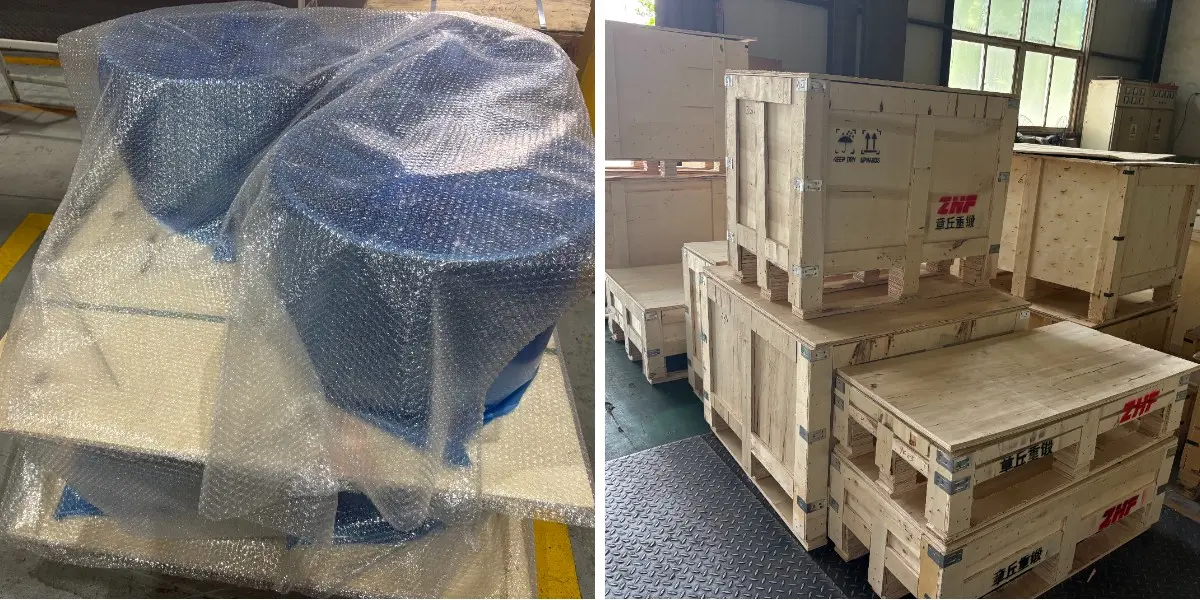
Our dedicated professional team implements a rigorous, multi-step quality control protocol tailored to each individual order. Before products are ready for shipment, they undergo a series of meticulous pre-delivery processes: comprehensive cleaning to eliminate any contaminants, accurate labeling with detailed product specifications and tracking information, and specialized rust-proofing treatments to enhance durability during transit and storage. Following these preparatory steps, a stringent visual inspection is conducted by experienced technicians, who scrutinize every surface, joint, and component to ensure adherence to strict quality standards and the absence of defects. Finally, the products are professionally packaged using shock-absorbent and protective materials, then systematically stored in our well-organized, climate-controlled warehouse—guaranteeing that each item is preserved in optimal condition and readily accessible for prompt dispatch as soon as an order is confirmed.
Company Strength:
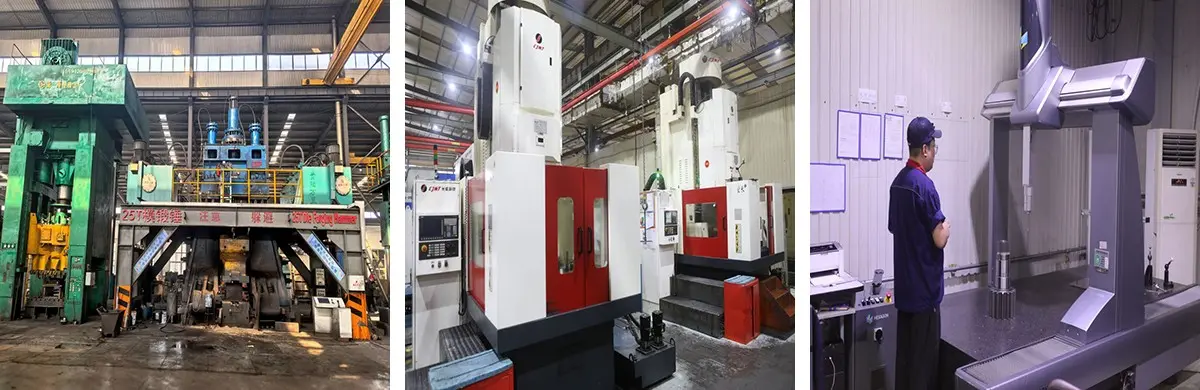
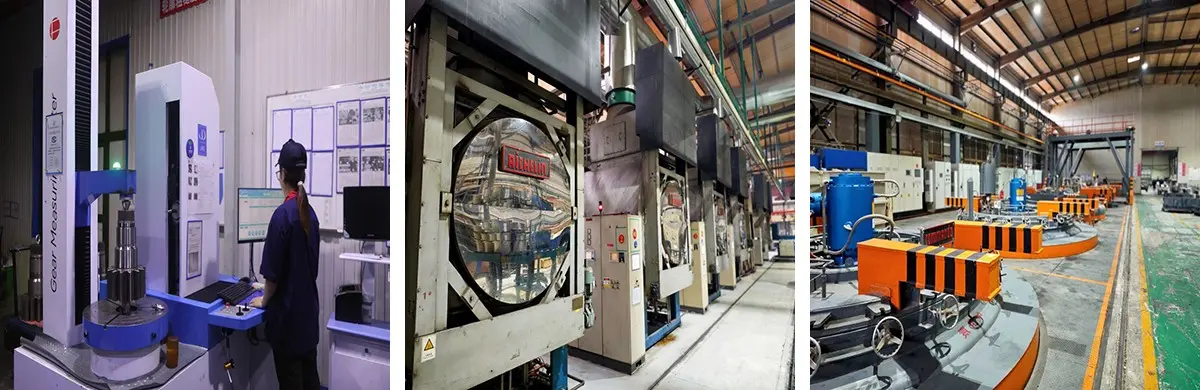
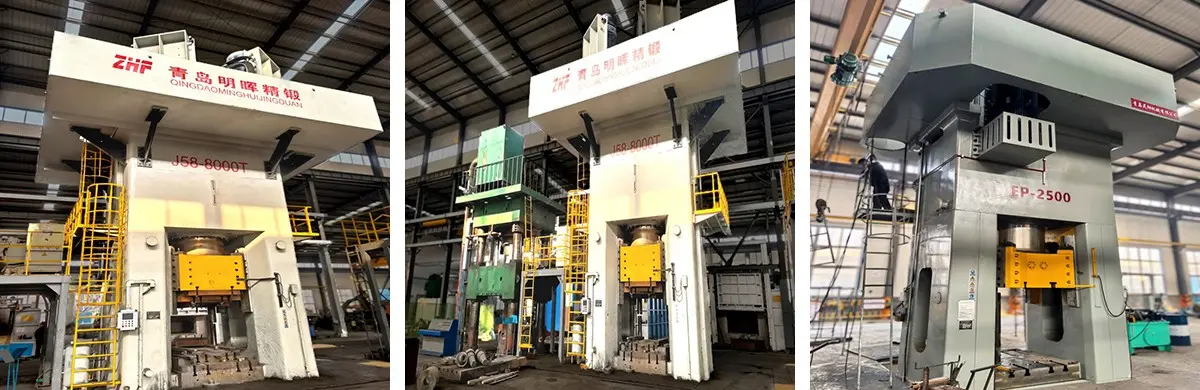
Committed to the core tenets of business process optimization and full workflow digitization, the company leverages its cutting-edge "5G smart factory" infrastructure—equipped with a high-speed, low-latency network—to seamlessly integrate critical data across four key enterprise systems: PLM (Product Lifecycle Management), ERP (Enterprise Resource Planning), MES (Manufacturing Execution System), and the equipment management platform. This holistic digital integration enables end-to-end digital governance of the entire operational value chain, covering research and development (R&D) project management, production scheduling and resource allocation, real-time work reporting and progress tracking, cross-departmental process handovers, on-demand delivery coordination, and full-lifecycle product traceability. By eliminating data silos, streamlining manual workflows, and enabling data-driven decision-making, the initiative has yielded tangible results: product R&D efficiency has been significantly boosted through accelerated iteration and collaboration, production cycles have been shortened via optimized scheduling and reduced downtime, and the company has maintained a consistently high on-time delivery rate—strengthening customer trust and reinforcing its competitive edge in the market.