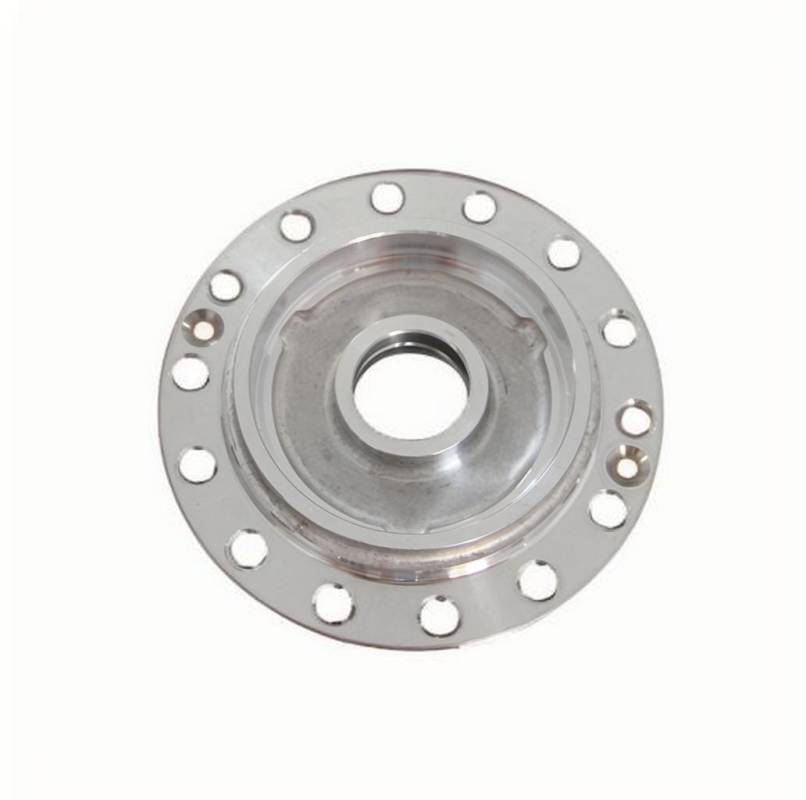
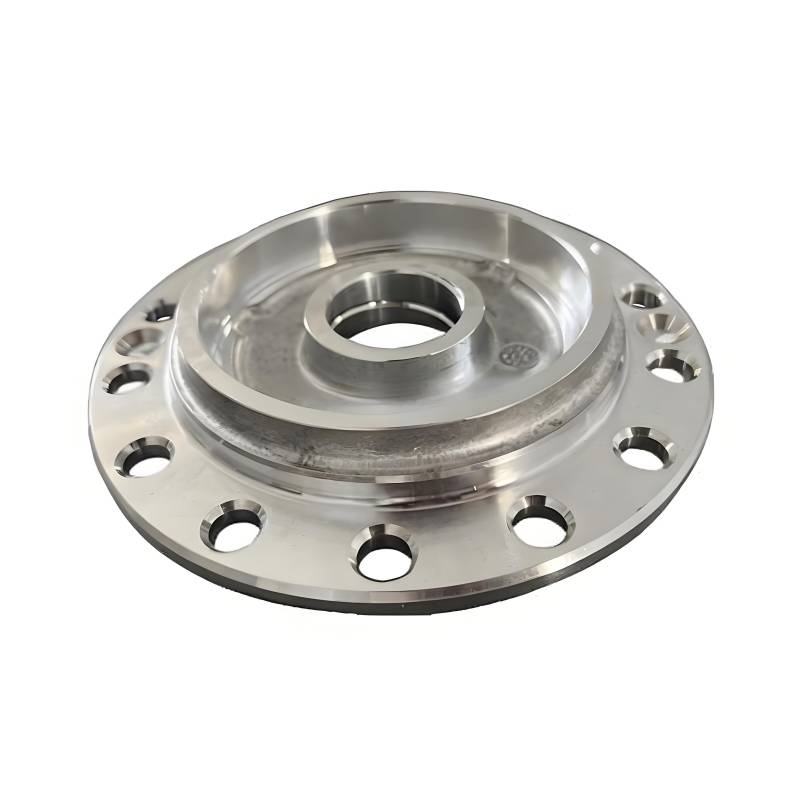
Forging Electric Car Base
1.Material:42CrMo
2.Machining accuracy:
Excircle: ±0.01mm
3.Mold opening cycle:About 45days
4.Customization: We design and manufacture tailor-made products to your exact technical requirements.
5.Craft:Forging
Product Introduction:
As an essential load-bearing structural part for new energy vehicle booster motors, the rotor base undertakes dual key functions of positioning assembly and power transmission. It accurately fixes the permanent magnet and rotor core in place with high dimensional precision, maintaining coaxiality and structural stability during high-speed rotation, while undertaking torque conduction to ensure smooth and efficient power output of the entire motor assembly. Determined by its special working conditions, the rotor base features outstanding mechanical strength, excellent fatigue resistance and stable structural rigidity, capable of adapting to complex high-speed and alternating load environments of new energy vehicle motors. Its machining accuracy, material stability and structural consistency directly affect the motor’s power performance, energy consumption level and overall service life, further influencing vehicle acceleration response, cruising range and long-term driving reliability. With strict craftsmanship and sophisticated manufacturing technology, we optimize structural design and production processes to perfectly balance high mechanical performance, precise dimensional tolerance and mass production applicability. As a core localized component for new energy vehicles, the rotor base provides solid technical and quality support for the upgrading of automotive motor systems and the independent development of the new energy industry.
Product Advantages:
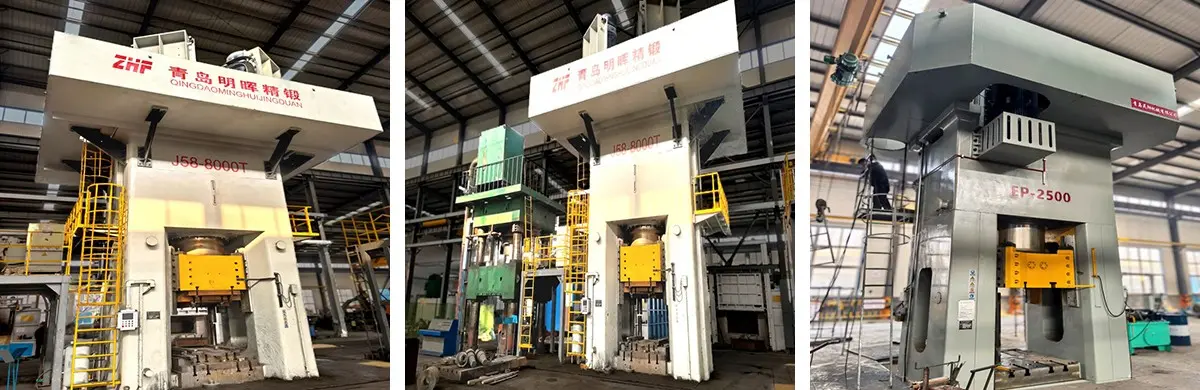
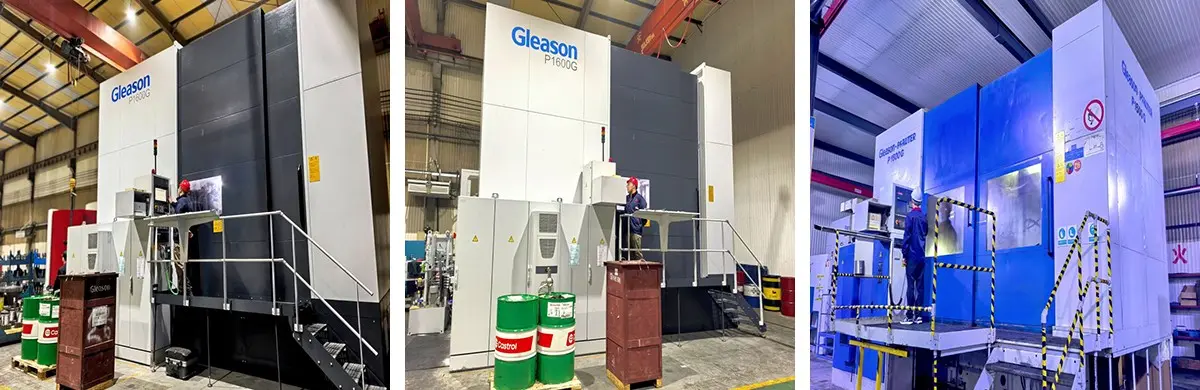
We maintain rigorous multi-stage quality oversight throughout the entire manufacturing journey, implementing layered checks from raw material incoming inspection to semi-finished product monitoring and finished product validation, to guarantee every component achieves exceptional quality consistency and zero-defect delivery. Our vertically integrated production model consolidates precision machining, professional heat treatment, fine finishing and quality testing into one seamless workflow, eliminating redundant intermediate procedures, shortening production lead times and helping clients optimize procurement budgets and comprehensive operating costs. Boasting a diversified product lineup and strong independent customization capabilities, we can flexibly accommodate conventional standard specifications as well as non-standard tailored solutions, perfectly matching different equipment parameters, working conditions and project requirements to fully fulfill customers’ one-stop purchasing and technical matching demands.
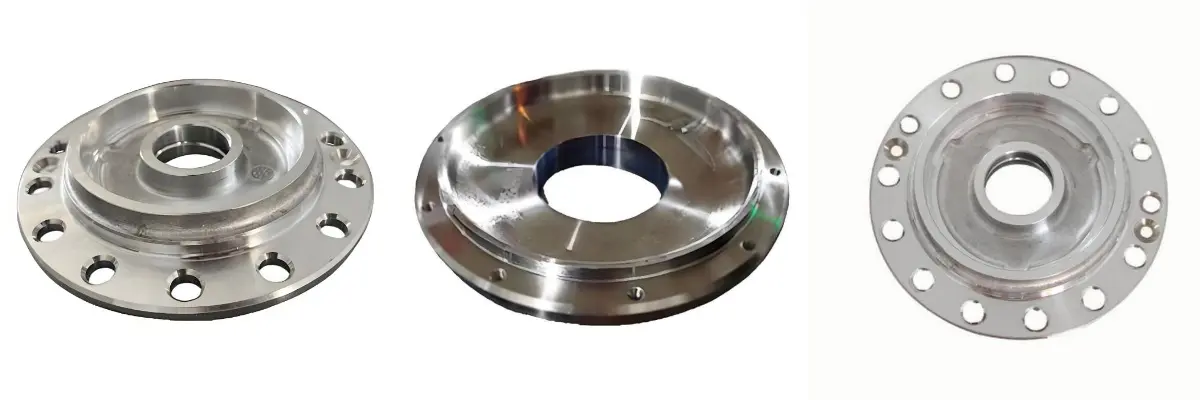
Production Process:
Raw material inspection→Cutting→Forging→Normalizing→Rough turning→UT→Quenched and tempered→Shot peening→MT→Finished turning→Drilling and Tapping→CMM/GMM→Cleaning packaging
Packaging And Shipping:
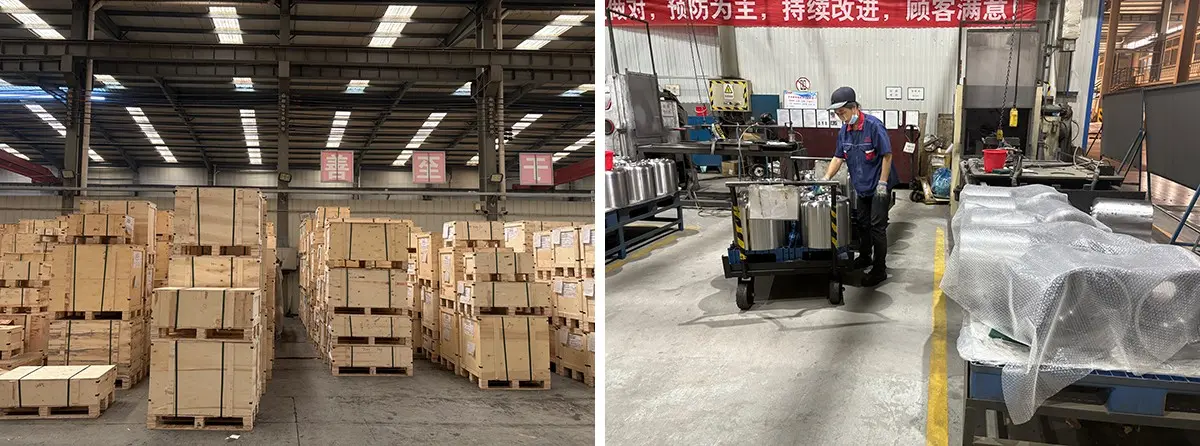
Backed by a dedicated technical R&D and quality assurance team, we adopt a full-lifecycle quality control mechanism that covers raw material verification, in-process manufacturing monitoring and finished product full inspection, specially customized for new energy vehicle rotor base components. Before leaving the factory, all parts are treated with professional precision cleaning procedures to thoroughly remove surface cutting debris, oil stains and impurities, creating a clean surface foundation for subsequent assembly and anti-corrosion treatment. Each product is affixed with standardized identification labels containing model specifications, production batches and manufacturing information, realizing full-process traceability from production to end application in the supply chain. We adopt targeted anti-rust surface treatment matched with high-strength alloy steel materials, forming a stable protective film that effectively resists oxidation, moisture erosion and environmental corrosion during long-term warehousing and long-distance logistics transportation. We conduct multi-dimensional strict sampling and full-item inspection, covering dimensional tolerance detection, surface finish evaluation, structural integrity checking and coating performance testing with high-precision measuring equipment, strictly screening out any burrs, deformation, cracks and other hidden quality risks. Only products that pass all inspection indicators are allowed to enter the packaging and warehousing link. We adopt layered shockproof, moisture-proof and dust-proof professional packaging solutions to avoid collision damage and damp deterioration in transit. All finished goods are stored in a standardized constant-temperature dry warehouse with intelligent barcode inventory management, achieving scientific storage, rapid scheduling and flexible delivery arrangement, fully ensuring product intactness, stable quality and on-time order delivery for global customers.
Company Strength:
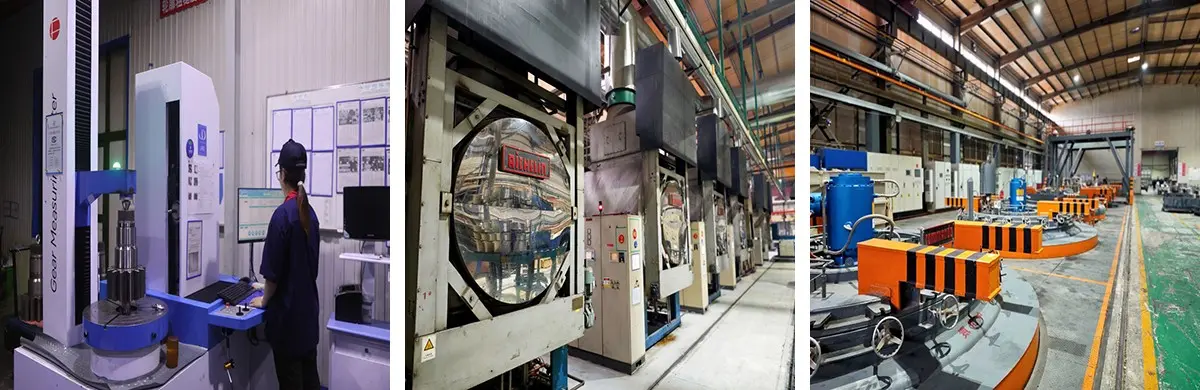
We are firmly committed to building quality as our core competitive edge by continuously investing heavily in high-end precision testing and inspection hardware. Our fully equipped in-house laboratory is furnished with internationally sourced professional testing instruments, covering material elemental spectrometers, gas composition analyzers, high-resolution metallographic microscopes, precision coordinate measuring devices and advanced ultrasonic phased array non-destructive flaw detection equipment. Relying on this complete hardware system, we have realized full-coverage quality verification across the entire production chain. From incoming raw material acceptance, we accurately analyze chemical composition, strictly test mechanical properties such as hardness and tensile strength of alloy materials, and screen unqualified batches at the source. During production processing, we implement real-time dimensional tolerance detection and geometric precision monitoring to keep every machining procedure within strict specification ranges. Before factory delivery, comprehensive non-destructive inspection is carried out to identify internal microcracks, structural inhomogeneities and hidden defects that cannot be observed visually, effectively eliminating potential operational risks. Supported by standardized testing procedures, professional technical personnel and top-tier inspection equipment, we maintain stable and outstanding product quality that fully complies with international industrial norms. Strict full-cycle quality screening not only ensures high precision, high strength and high reliability of each component, but also provides solid technical assurance for long-term stable cooperation and customized demand matching with global customers.