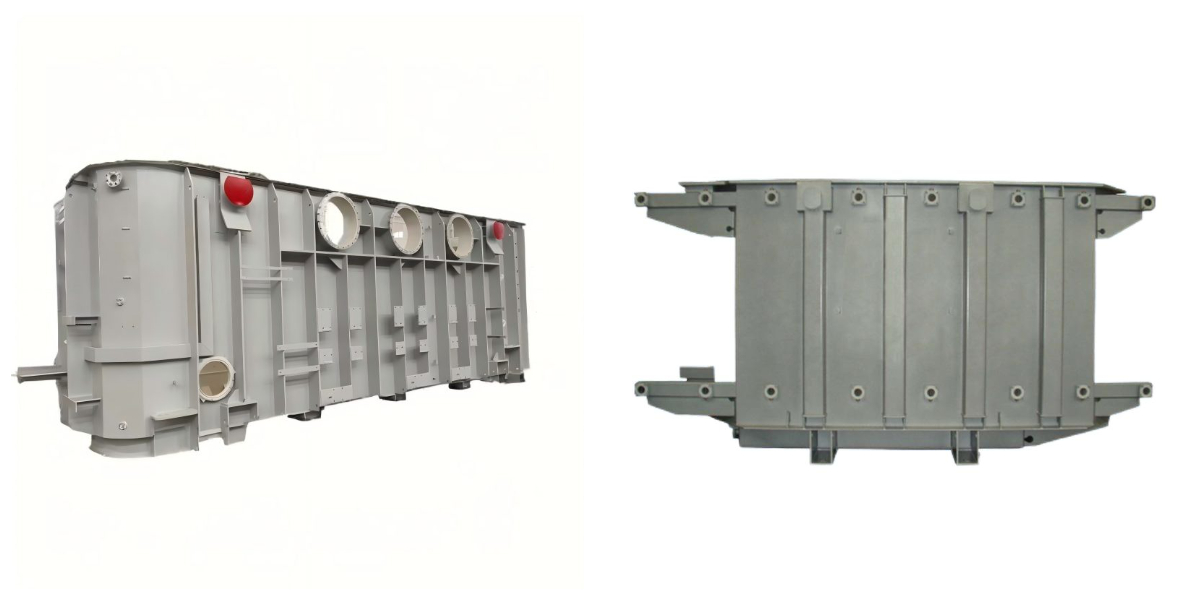
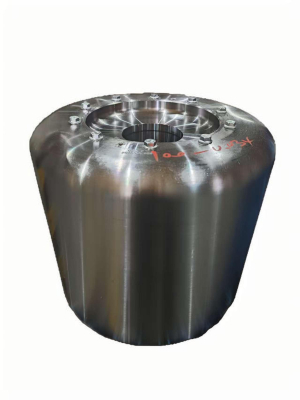
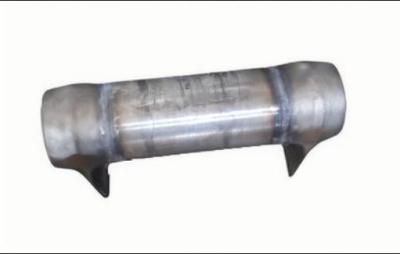
How to Prevent Leakage of Construction Machinery Welded Parts? Detailed Analysis of Precision Welding Technology for Transformer Tank Housings
In the complete supporting system of construction machinery, welded parts are essential core components for load-bearing structures, protective enclosures, sealed boxes and equipment frames. Most engineering equipment, power supporting facilities and heavy-duty mechanical boxes are integrally formed and structurally reinforced through high-precision welding technology. Among them, transformer tank housings are core sealed welded parts for power and construction machinery equipment, requiring extremely high industry standards in terms of weld tightness, structural stability, deformation resistance and corrosion resistance.
Ordinary low-grade welded parts commonly suffer from rough welds, slag inclusions, pores, large welding deformation, poor tightness, oil and water leakage, and unpolished appearance. In particular, substandard welding quality of transformer tank housings will easily cause weld cracking, oil leakage, shell deformation, dust and water ingress under long-term outdoor vibration, temperature fluctuation and pressure variation. These failures lead to equipment shutdown, increased operation and maintenance costs, and seriously affect the safe and stable operation ofconstruction machinery and power supporting equipment.
High-quality boxes and housings for construction machinery must be manufactured with standardized precision welding processes. We strictly control the whole production procedure including plate cutting, assembly, welding, correction, polishing and flaw detection, so as to produce premium welded parts with high strength, perfect tightness, zero leakage and low deformation. This article comprehensively introduces the processing technology, working condition advantages and customization standards of construction machinery welded parts and transformer tank housings.
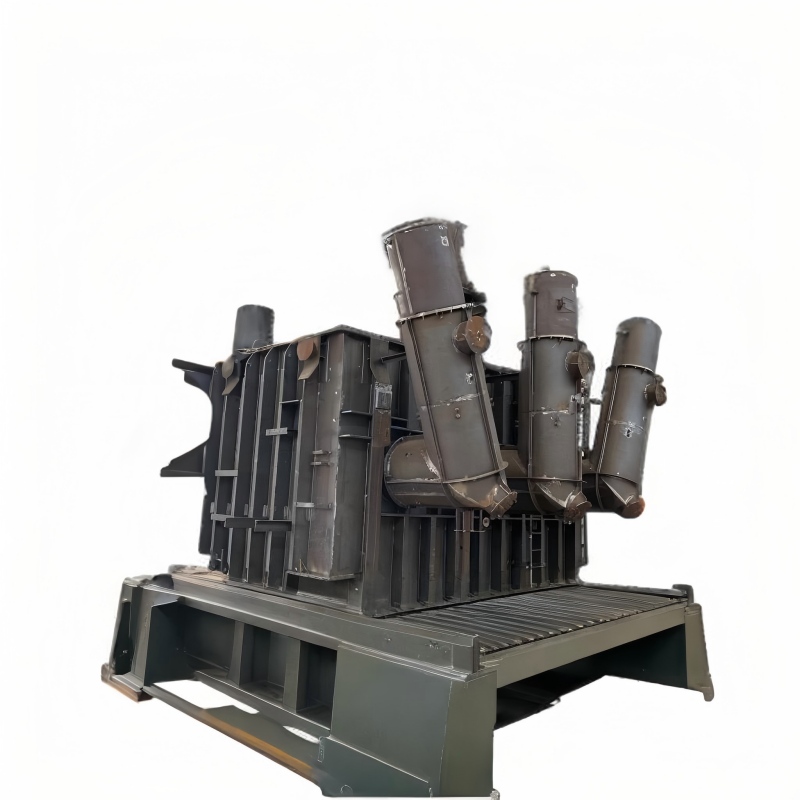
1. Working Condition Characteristics of Construction Machinery Welded Parts and Transformer Tank Housings
Different from ordinary civil welded products, construction machinery welded parts are widely used in harsh working conditions with heavy loads, outdoor exposure, high pressure, continuous vibration and alternating temperatures. As special-grade sealed structural welded parts, transformer tank housings have strict technical requirements as follows:
Strict Sealing & Leakage Prevention: As fully enclosed oil storage structures, transformer tank housings require defect-free and dense welds to eliminate oil leakage, water penetration and dust ingress, ensuring stable insulation and heat dissipation of power equipment.
Vibration & Deformation Resistance: Subjected to long-term operational vibration and transportation jolting, welded parts must feature high structural strength, overall rigidity and low residual welding deformation to prevent shell distortion and weld fracture.
Outdoor Corrosion & Weather Resistance: Long-term outdoor operation requires smooth and defect-free welded structures, which can well cooperate with subsequent sandblasting and painting anti-corrosion treatment to extend equipment service life.
High Dimensional Accuracy & Good Assembly Performance: Flanges, mounting holes and joint surfaces of the boxes require high precision to ensure tight assembly, reliable sealing and strong interchangeability of the complete machine.
Therefore, power and construction machinery industries have extremely strict access standards for the production technology, equipment, welder qualification and flaw detection of welded parts.
2. Disadvantages of Ordinary Welding Technology & Advantages of Precision Industrial Welding
2.1 Common Defects of Ordinary Low-Cost Welded Parts
Transformer tank housings andconstruction machinery welded parts made by simple workshop welding usually have problems such as irregular weld formation, uneven weld beads, slag inclusions, pores, incomplete penetration, virtual welding and large deformation. After put into service, they are prone to local leakage, shell distortion, sealing failure and weld cracking, resulting in high rework rates and short service life, failing to meet the long-term stable operation requirements of engineering equipment.
2.2 Core Advantages of Precision Industrial Welding Technology
Professionally optimized industrial-grade welding technology is specially designed for construction machinery structural parts and transformer tank housings. We adopt a complete manufacturing process including precision cutting, accurate assembly, multi-layer multi-pass welding, stress correction and non-destructive testing:
Full and uniform weld formation with qualified penetration, zero pores, zero slag inclusions and zero virtual welding, achieving excellent tightness and completely eliminating oil and water leakage risks of tank housings;
Controllable welding thermal deformation with high overall flatness and regular box structure, perfectly adapting to precision assembly of various complete machines;
High structural strength with excellent vibration resistance, impact resistance and fatigue resistance, suitable for all-weather heavy-duty working conditions of construction machinery;
Smooth and polished weld surface after processing, providing high-quality base for subsequent sandblasting, painting and anti-corrosion treatment.
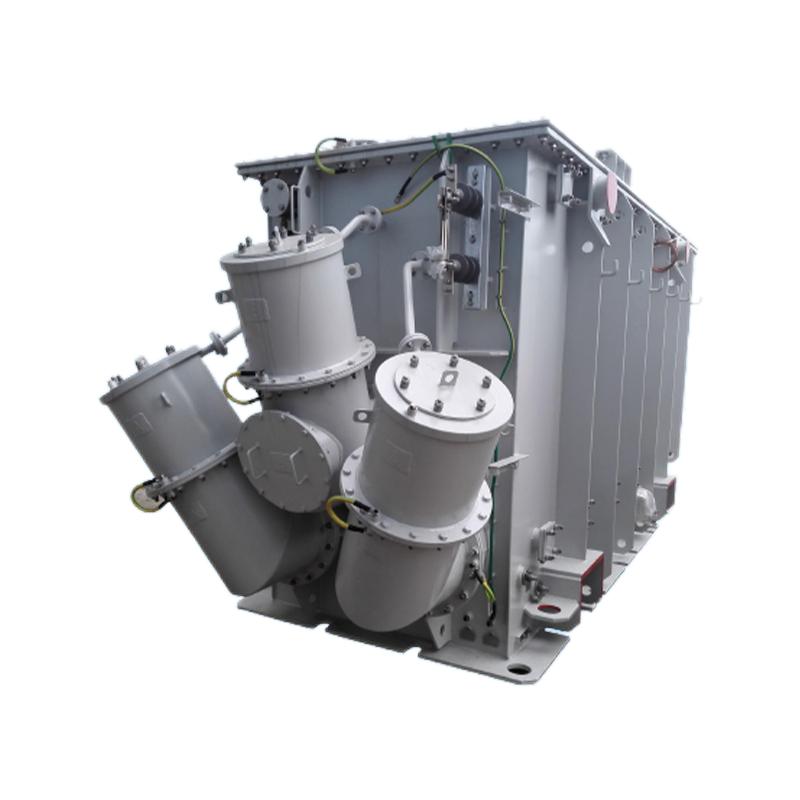
3. Complete Production Process of Construction Machinery Welded Parts & Transformer Tank Housings
3.1 Precision Cutting & Forming
According to drawing parameters, we adopt laser cutting and CNC bending technology for precise plate blanking, bending and rolling. Accurate dimensions and neat edges fundamentally reduce assembly gaps and misalignment problems, laying a solid foundation for high-quality welding.
3.2 Precision Assembly & Tooling Positioning
Special tooling fixtures are used for standardized assembly of transformer tank box bodies, flanges, side plates, bottom plates and mounting supports. The strict control of box squareness, parallelism and verticality effectively minimizes welding deformation.
3.3 Multi-Layer Precision Welding Forming
For transformer tank housings with ultra-high sealing requirements, we adopt multi-layer and multi-pass symmetrical segmented welding to balance welding heat, avoid local overheating deformation, and ensure sufficient weld penetration, firm connection and dense sealing that meet power equipment anti-leakage standards. For frames, boxes, supports and other construction machinery welded parts, welding parameters are matched according to plate thickness and stress conditions to guarantee structural strength.
3.4 Post-Welding Correction & Precision Polishing
Stress correction and shaping are conducted after welding to eliminate deformation. All weld beads, edges and welding positions are finely polished to remove welding tumors, spatter and burrs, ensuring smooth appearance and meeting assembly and aesthetic standards of complete equipment.
3.5 Non-Destructive Flaw Detection & Tightness Testing
All key boxes and tank housings undergo strict penetration flaw detection, air pressure leakage test and kerosene leakage test. 100% elimination of virtual welding, missing welding and micro-crack defects ensures reliable sealing and stable performance of every welded part.
4. Product Application Scenarios
Our custom industrial-gradewelded parts and transformer tank housings are widely applied in power supporting, heavy engineering and mechanical equipment industries:
Power Supporting Equipment: High and low voltage transformer oil tanks, oil storage housings, sealed boxes and protective welded shells for power equipment
Construction Machinery Industry: Engineering frames, equipment boxes, base supports, protective covers and large structural welded parts
Non-Standard Industrial Equipment: Custom welded processing of large sheet metal boxes, sealed shells, load-bearing supports and equipment frames
We support custom manufacturing based on drawings, old part replication and large structural welding mass production. Complete qualification documents including welding test reports, flaw detection reports and dimensional inspection data are available. We also provide export-standard packaging and bulk overseas supply services.
5. Conclusion
The welding precision, sealing performance and structural strength of welded parts directly determine the operational stability and service life of construction machinery and power transformer equipment. Especially for core sealed welded structures such as transformer tank housings, unqualified welding technology will easily cause leakage failures and equipment shutdown losses. Structural parts manufactured by precision industrial welding feature excellent tightness, low deformation, stable structure and outstanding weather resistance, adapting to long-term outdoor heavy-duty complex working conditions.
If you need customized construction machinery welded parts, precision-welded transformer tank housings or large non-standard steel structure welding processing, please feel free to provide drawings, dimensions, working condition requirements and purchasing quantity. Equipped with mature welding production lines and a complete detection system, we support non-standard customization, mass production and export OEM services. We provide free process solutions, accurate quotations and sample trial production, offering one-stop customized processing solutions for all kinds of industrial welded parts.