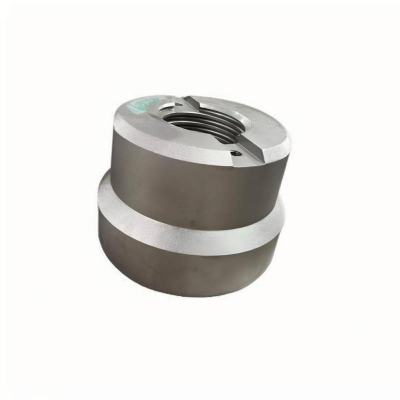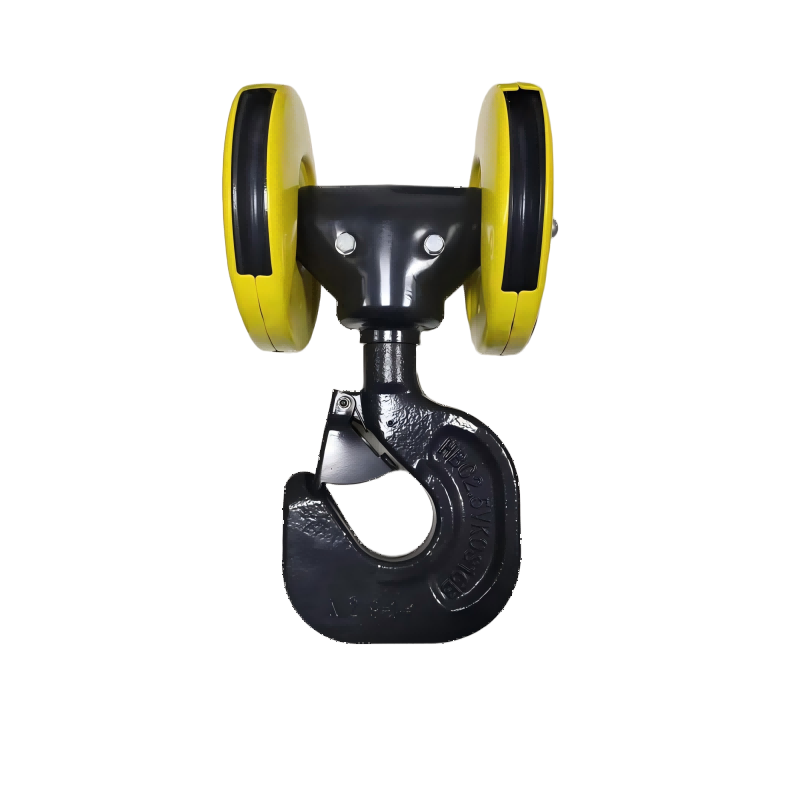
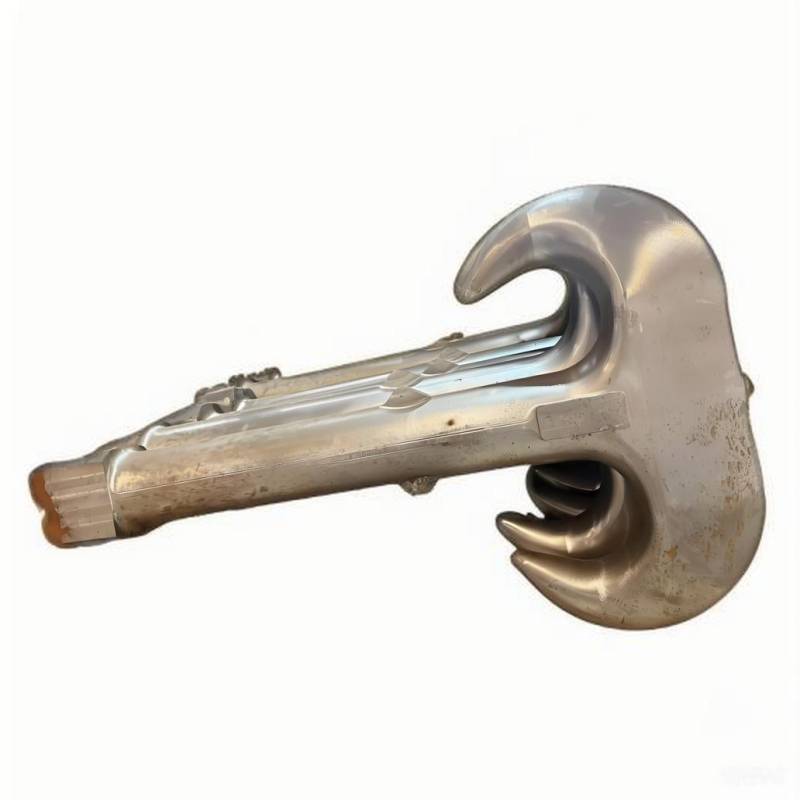
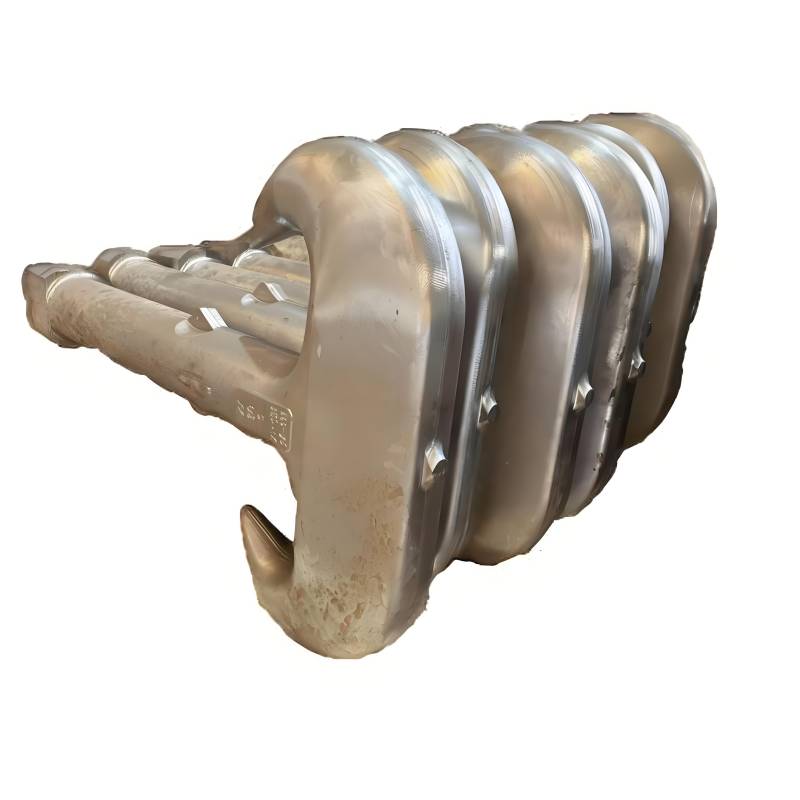
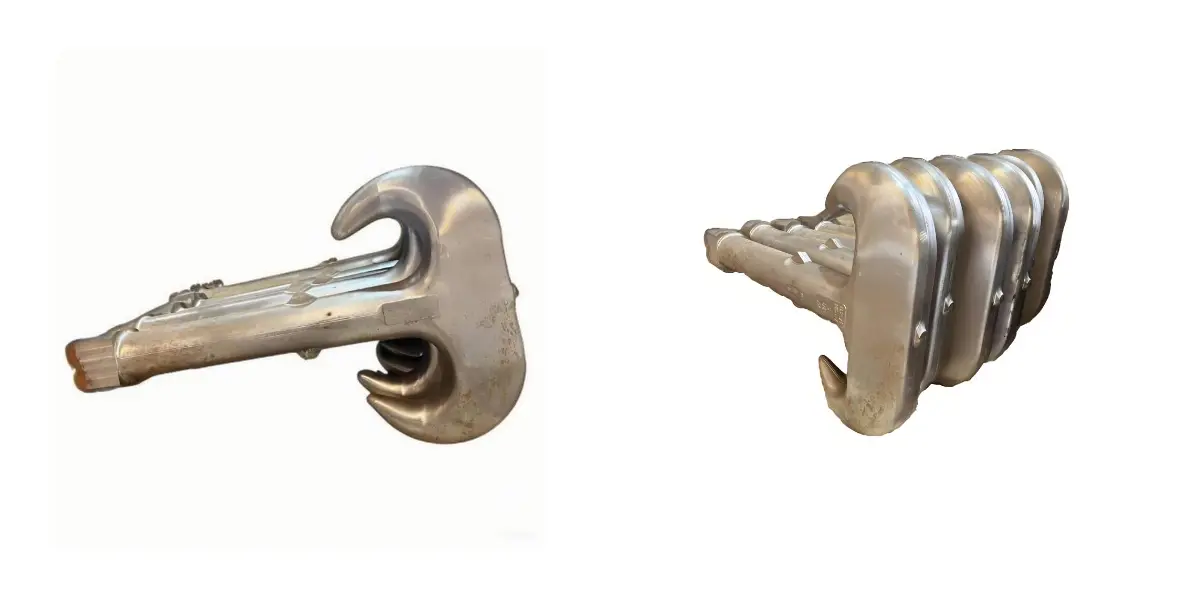
Forging Crane Hook
Available Material Grades: Q355qD, 35CrMo, 30Cr2Ni2Mo alloy steel
Machining Dimensional Tolerance: Controlled within ±0.1 mm
New Mould Development Lead Time: Approximately 45 days
Customization Service: We provide customized design and production, all workpieces manufactured strictly in compliance with your detailed technical specifications
Weight & Dimension Specifications: Raw material consumption and finished product weight are calculated based on engineering drawings supplied by customers
Product Description:
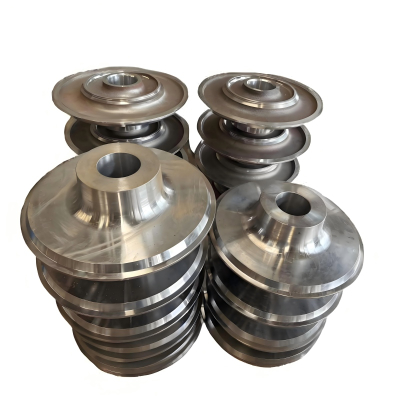
The hooks used in crawler cranes and truck cranes are typically forged from a single piece of metal, which gives them high strength and toughness. With dependable quality, they can endure substantial impact and tensile forces, making them suitable for a wide range of lifting tasks. By optimizing the hook's shape and adjusting how the hook is installed with the pulley, the overall load - bearing becomes more rational. This not only extends the service life of the steel wire rope but also reduces the offset when heavy objects are placed.
Product Advantages:
Crane hooks are typically crafted from high-strength steel via forging processes, featuring a one-piece construction free of welding defects. They boast exceptional tensile and bending resistance, capable of bearing loads ranging from tens to thousands of tons. The cross-sectional design of the hook body is mechanically optimized to distribute loads evenly across the entire structure, preventing fractures caused by localized stress concentration. This makes them ideal for heavy-load lifting scenarios involving heavy equipment, steel materials, containers, and similar applications. Additionally, the hook surface undergoes quenching and tempering treatments, allowing it to withstand long-term friction from steel wires and impacts with lifted objects—effectively extending its service life.
Production Steps:
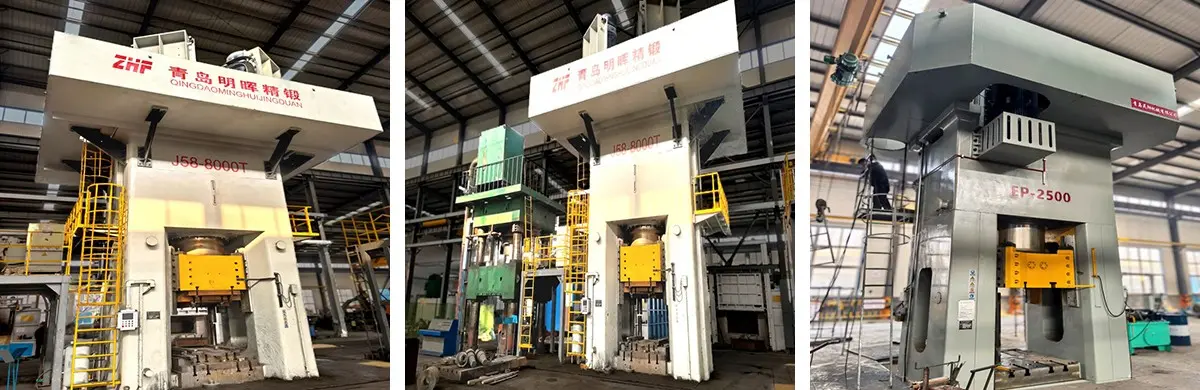
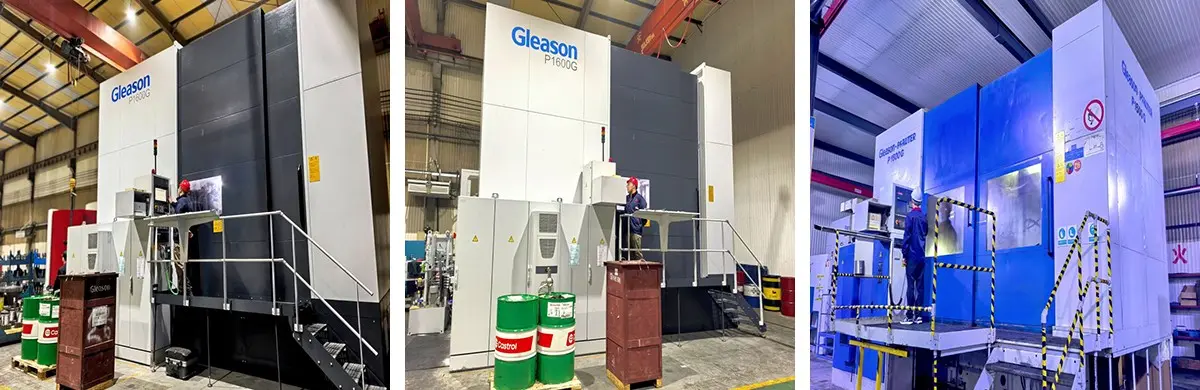
Raw material inspection → Cutting → Forging → Normalizing →Grinding→Rough turning →Quenched and tempered→ MT+UT→ Finished turning→ Milling groove →Drilling → CMM/GMM → Shot peening→Coating →Cleaning packaging
How We Pack & Ship:
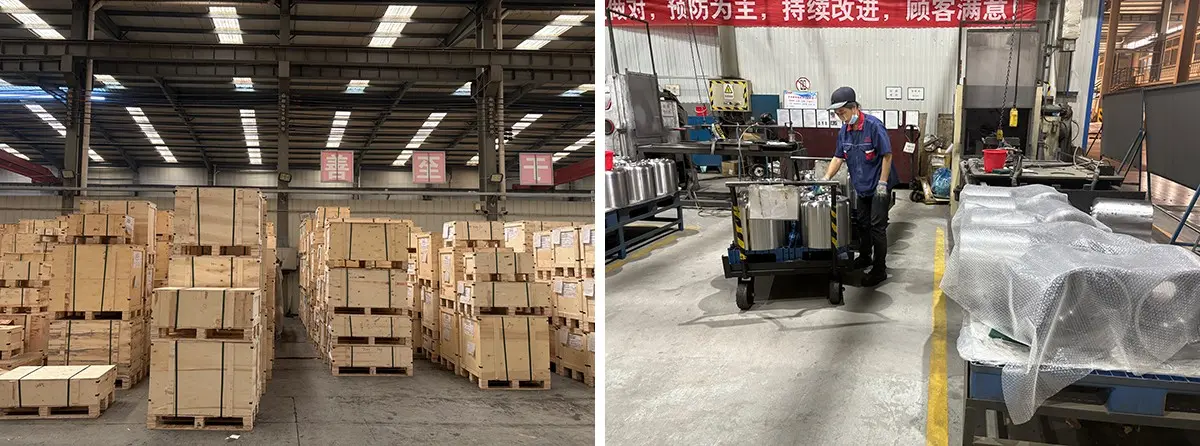
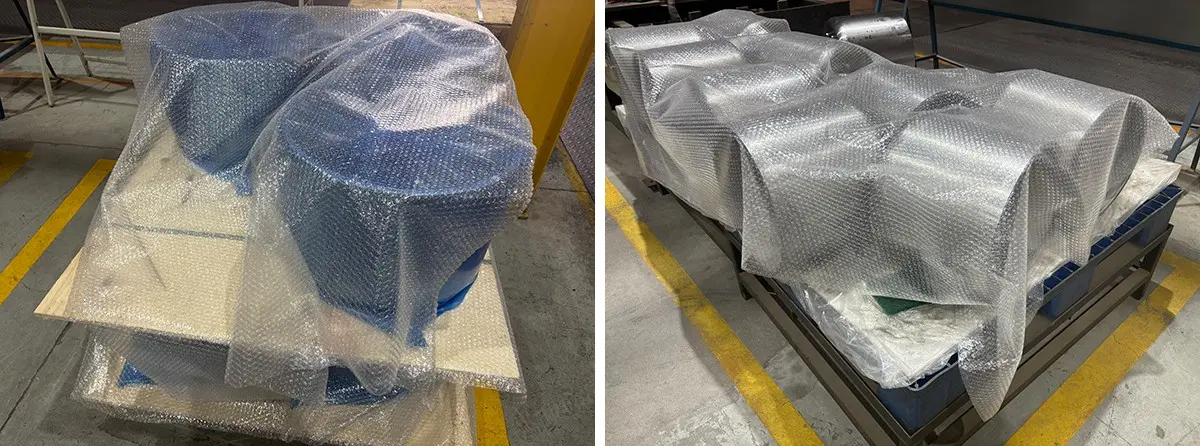
Our professional team carries out strict pre-delivery processing to guarantee quality before shipment. All parts are thoroughly cleaned and marked with standard labels containing specs, batch numbers and handling notes. Custom anti-rust treatments like anti-corrosion coatings, VCI materials and protective films are adopted to avoid oxidation during transit and storage. Our QC inspectors conduct full visual and dimensional checks to eliminate defects. Qualified products are packed with shockproof, moisture-proof materials and stored in temperature-controlled warehouses, ready for immediate delivery anytime.
Company Strength:
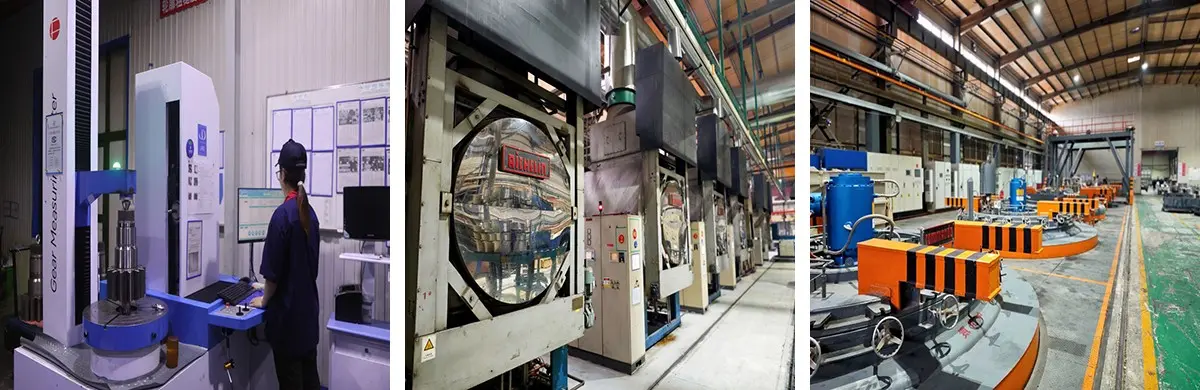
The industrial enterprise is firmly committed to the core principles of streamlining all business processes and digitizing every operational procedure—driving efficiency and agility across its entire value chain. Harnessing the power of its high-performance, low-latency "5G factory" network, the company has achieved seamless integration of data from key enterprise systems, including Product Lifecycle Management (PLM), Enterprise Resource Planning (ERP), Manufacturing Execution System (MES), and Equipment Management System. This interconnected digital ecosystem breaks down data silos, enabling end-to-end digital management of critical business workflows: from research and development (R&D) ideation and production scheduling to work progress reporting, process handover, order fulfillment, and full product traceability. By digitizing these core processes, the enterprise has not only significantly boosted product R&D efficiency—accelerating innovation cycles and reducing time-to-market—but also streamlined production operations to shorten lead times. Moreover, the centralized data visibility and optimized workflow coordination have ensured exceptional on-time delivery performance for customers, reinforcing trust and competitiveness in the industrial marketplace.