How Nuclear Grade Forging Technology Ensures Long-Term Safety of Nuclear Power Equipment
Nuclear power energy is one of the most stable, efficient and low-carbon new energy sources in the world, widely applied in commercial power generation, industrial energy supply and key national energy projects. Different from conventional industrial equipment, nuclear power equipment operates in extreme environments of high temperature, high pressure, strong radiation and long-cycle continuous operation, which puts forward ultra-high requirements for component safety, stability and service life.
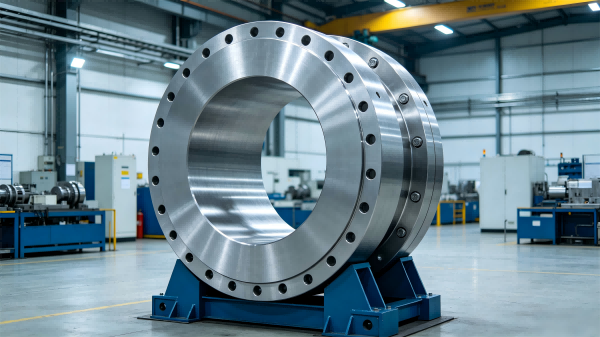
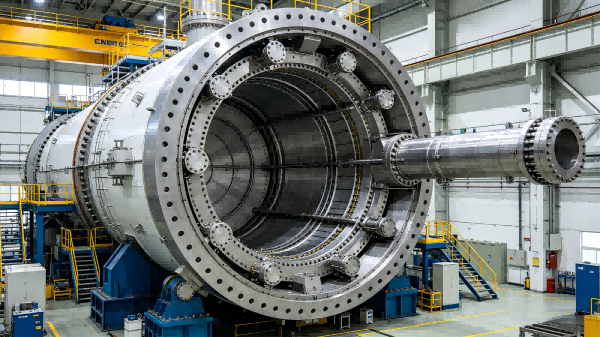
Forgings are the core safety components of nuclear power equipment. Adopting professional forging technology, nuclear power forgings eliminate internal defects of traditional casting parts, with uniform and dense metallographic structure, excellent mechanical properties and extreme environmental adaptability. Nuclear-grade forgings have become the only reliable choice for nuclear reactor pressure vessels, steam generators, pipeline flanges, turbine rotors and other core equipment, supporting the long-term safe operation of nuclear power systems.
1. Industry Pain Points of Ordinary Nuclear Equipment Parts
Many ordinary nuclear power auxiliary parts adopt casting or ordinary machining processes, which cannot meet the strict safety standards of nuclear power projects, with prominent hidden dangers:
Internal structural defects: Cast parts are prone to pores, looseness, inclusions and microcracks. Under long-term high pressure and radiation erosion, tiny defects will expand rapidly, causing equipment failure.
Poor fatigue and radiation resistance: Ordinary parts have disordered metal grain flow, poor structural stability, easy aging and fatigue deformation in nuclear radiation environment, unable to support decades of stable operation.
Unstable mechanical performance: Uneven internal structure leads to inconsistent strength and toughness, unable to resist extreme temperature difference impact and instantaneous pressure surge of nuclear power equipment.
No complete quality traceability: Ordinary parts lack standardized process control, failing to meet the strict quality inspection and traceability requirements of nuclear power industry.
Therefore, high-standard nuclear power forgings processed by professional forging technology have become the mandatory upgrade solution for modern nuclear power equipment manufacturing and renovation.
2. Core Advantages of Nuclear Power Forgings & Forging Technology
2.1 Dense & Defect-Free Metallographic Structure
Nuclear-grade forging adopts high-temperature and high-pressure integral die forging process. Through multi-pass precise forging, the coarse grain structure of raw materials is fully refined, and internal pores, looseness and micro-defects are completely compacted. The finished nuclear power forgings have uniform texture and no stress concentration points, with tensile strength, impact toughness and structural stability far exceeding cast parts, fully adapting to the extreme working conditions of nuclear power core equipment.
2.2 Continuous Metal Flow Line & Ultra-Long Service Life
Professional forging forms complete and continuous metal grain flow lines along the force-bearing direction of nuclear power components. The grain structure is tightly combined, effectively resisting nuclear radiation erosion, high-temperature oxidation and long-cycle alternating fatigue damage. Nuclear power forgings can maintain stable mechanical performance for decades, meeting the ultra-long service life requirements of nuclear power plants.
2.3 Extreme Environmental Resistance & High Safety
After strict nuclear-grade heat treatment and performance modification, nuclear power forgings achieve perfect balance of high strength, high toughness, radiation resistance and creep resistance. They can stably operate in high-temperature, high-pressure, humid and strong radiation environments for a long time, avoiding deformation, cracking and aging failure, and building a solid safety barrier for nuclear power equipment operation.
2.4 Strict Standard Compliance & Full Traceability
All our nuclear-grade forgings are manufactured in accordance with international nuclear industry standards. The whole forging process from raw material inspection, heating forming, heat treatment to finished product testing adopts standardized management, with complete process records and quality traceability reports, fully meeting the qualification requirements of global nuclear power engineering projects.
3. Professional Nuclear Forging Production Process
We implement full closed-loop standardized production for nuclear power forgings to ensure 100% qualified nuclear-grade quality:
High-purity nuclear-grade alloy steel material selection and strict incoming inspection
Constant-temperature uniform heating and precise pressure control forging forming
Special nuclear-grade heat treatment to optimize grain structure and mechanical properties
Multi-channel nondestructive testing (UT, MT, PT) to eliminate tiny internal defects
High-precision CNC finishing and dimensional calibration
Strict mechanical performance test, radiation resistance test and full quality traceability filing
4. Main Application Scenarios of Nuclear Power Forgings
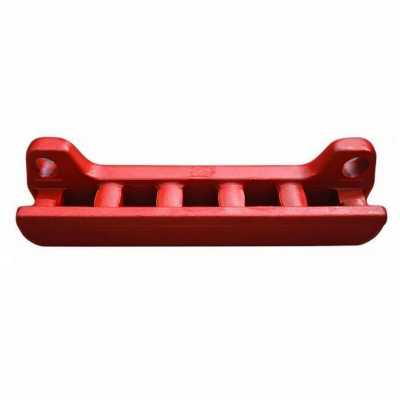
Nuclear Reactor Core Equipment: Forgings for reactor pressure vessel, vessel flange, closure head and internal support components
Steam Generator & Pressurizer: Forged shell, tube sheet, nozzle and connecting flange forgings
Primary Coolant System: Forged pipeline, elbow and high-pressure connecting parts for nuclear power circulation system
Turbine & Generator Equipment: Forged rotor, shaft body and structural support forging components
Nuclear Engineering Auxiliary Parts: Custom nuclear-grade forged flanges, valve bodies and pressure-resistant structural parts
5. Conclusion
Nuclear power equipment requires extreme safety and long-term stability, and high-quality forgings are the core foundation to ensure the reliable operation of nuclear energy systems. Compared with traditional casting parts, components manufactured by professional forging technology have unparalleled advantages in structural compactness, mechanical performance, radiation resistance and service life, and are the mainstream choice for global nuclear power project construction and equipment upgrading.
If you need custom nuclear power forgings, standard nuclear-grade forging components or bulk supporting parts for nuclear energy projects, please contact us. We support drawing customization, sample trial production and global bulk export, providing one-stop high-quality forging solutions for nuclear power engineering equipment.