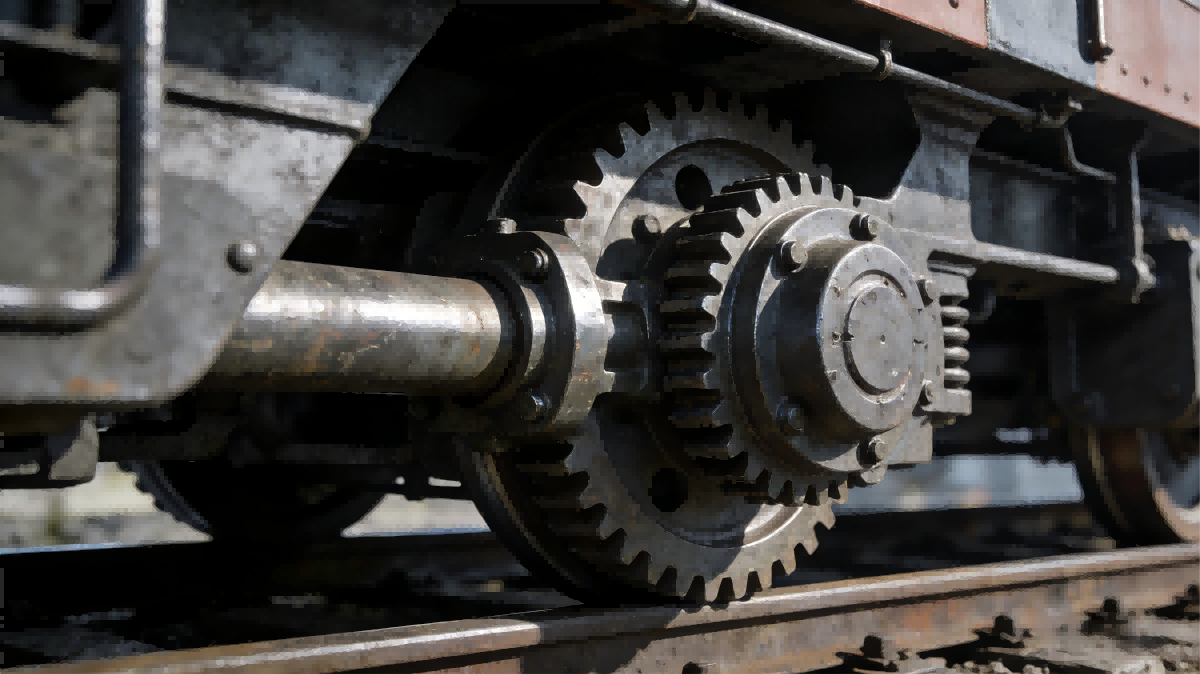
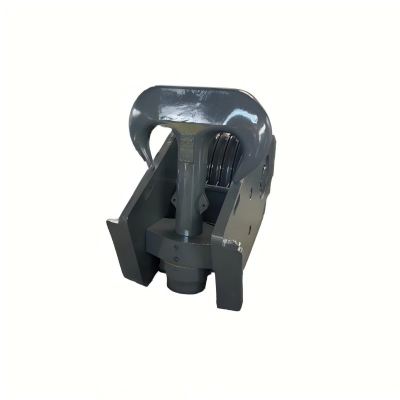
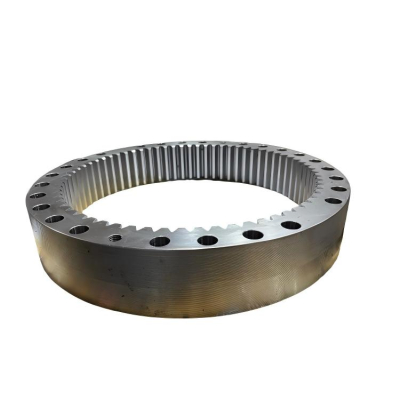
Forged Couplings: The Core Transmission Components of Railway Accessories, Why Are They the Preferred Choice for Railway Equipment?
Forged Couplings: The Core Transmission Components of Railway Accessories, Why Are They the Preferred Choice for Railway Equipment?
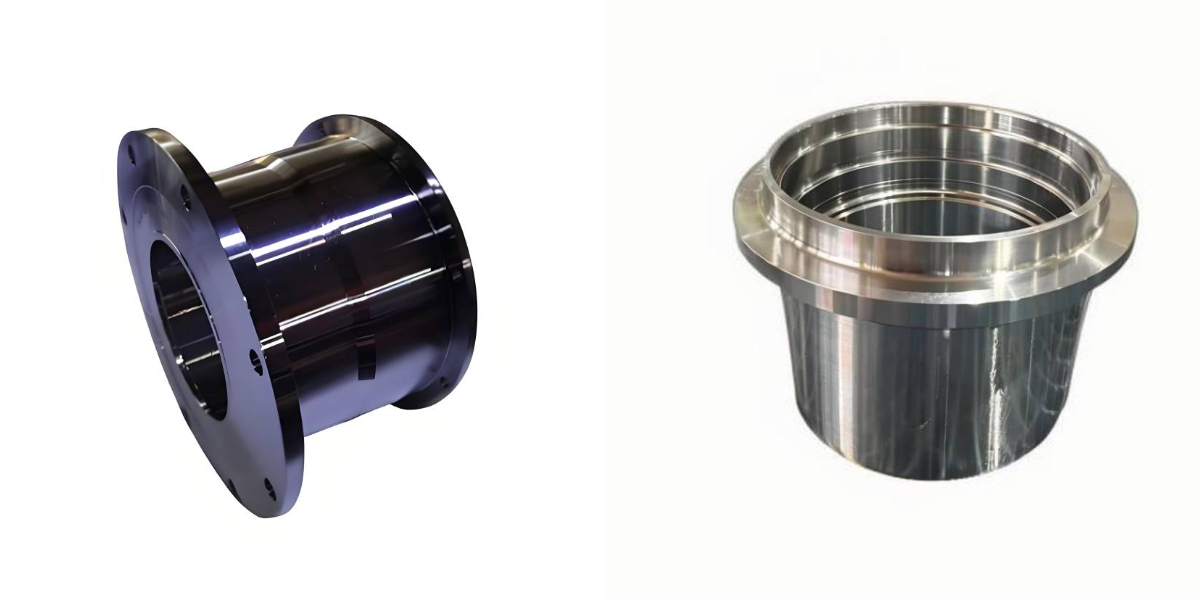
In the fields of railway transportation and track engineering, the reliability of railway accessories directly affects the safety of train operation and transportation efficiency. As a key component of the transmission system of track equipment, the coupling plays a core role in connecting the shaft system, transmitting torque, and buffering vibrations. The couplings produced by forging technology, with their advantages of high strength, high toughness, and high precision, have become the core railway accessories for high-end equipment such as high-speed railways, heavy-haul railways, and urban rail transit, safeguarding the safety of track transportation.
1. Forging Technology: The Key to Performance Upgrade of Railway Couplings
Ordinary casting or machining couplings are prone to issues such as grain porosity, internal defects, and insufficient strength, making them unable to meet the strict working conditions of railway transportation, including frequent start-stop, heavy load, and long-term high-speed operation. The forged couplings, through high-temperature forging to reshape the metal grain structure, increase the material density by more than 30%, significantly improving mechanical properties:
Higher torsional strength: They can withstand the instantaneous large torque during the start and brake of railway equipment, preventing failure;
Longer fatigue life: After precise forging and heat treatment, they can withstand long-term alternating stress, with a lifespan extended by 2-3 times;
Better dimensional accuracy: The near-net-shaping process combined with subsequent precision machining ensures precise compatibility between the coupling and the shaft system, reducing transmission losses.
Compared with traditional processes, the forging technology upgrades the couplings from "basic components" to "high-performance core parts", perfectly meeting the core requirements of railway accessories for safety, durability, and stability.
2. Core Application Scenarios: Forged Couplings Fit All Types of Track Equipment
As a key railway accessory, forged couplings are applied in all scenarios of railway transportation, becoming an indispensable transmission core for various track equipment:
High-speed Rail / EMU: Adapted to the high-speed rotation and low-noise requirements of the traction system, they transmit traction torque while buffering vibrations, ensuring smooth train operation;
Heavy-haul Railway Freight Cars: Bearing the heavy load of tens of thousands of tons of goods transportation, they resist the impact stress in complex road conditions, preventing the failure of shaft connection;
Urban Rail Transit (Subway / Light Rail): Adapted to the characteristics of frequent start-stop operations, they have good wear resistance and corrosion resistance, reducing maintenance frequency;
Railway Engineering Equipment (Track Cranes / Track Laying Machines): Meeting the high-torque transmission requirements of heavy operations, they enhance the stability of engineering equipment.
Whether for passenger or freight transportation, mainline or urban rail transit, forged couplings have become the "must-have components" in railway accessories due to their excellent adaptability.
3. Core Selection Points for Forged Couplings (Railway Accessories)
When choosing high-quality forged couplings, it is necessary to focus on the requirements of railway equipment's working conditions and industry standards, and pay attention to three key dimensions:
Process and Material: Prioritize mature processes such as die forging and free forging, and select high-strength alloy steels such as 42CrMo and 20CrMnTi, combined with heat treatment such as quenching and tempering, to ensure a balance of strength and toughness;
Accuracy and Compatibility: Dimensional tolerances must comply with railway accessory industry standards such as GB/T and ISO, and the shaft-hole matching accuracy should be controlled at H7 level or above, ensuring seamless connection with shaft systems, gearboxes, and other components;
Inspection and Certification: Need to conduct non-destructive testing (ultrasonic testing, magnetic particle testing) to check for internal defects and possess relevant railway industry certifications (such as CRCC certification) to ensure compliance with track equipment safety standards;
Customization Capability: For different track equipment's shaft diameters, torque, and installation space requirements, support customized design to adapt to non-standard working conditions.
4. Industry Trends: Forged Couplings Upgrade to "Lightweight + Intelligent"
With the development of railway equipment towards high-speed, heavy-haul, and intelligence, forged couplings, as core railway accessories, also present two upgrade trends: Lightweight design: Utilizing high-strength lightweight alloy materials and optimized structural design, it ensures strength while reducing weight, thereby lowering equipment energy consumption and shaft system load;
Intelligent monitoring: Integrating torque sensors and vibration monitoring modules, it provides real-time feedback on the operation status of the coupling, offering data support for railway accessory maintenance and enabling predictive maintenance;
Green manufacturing: Employing environmentally friendly forging processes and waste heat recovery technology, it reduces energy consumption and pollutant emissions, meeting the green development requirements of the railway industry.
5. Conclusion
In the context of increasing demands for safety, efficiency, and reliability in railway transportation, the forged coupling, as a key railway accessory, directly determines the operational safety and full life cycle cost of railway equipment. Choosing high-quality forged couplings not only enhances the transmission efficiency and stability of railway equipment but also reduces the risk of faults and maintenance costs, making it the optimal choice for railway equipment manufacturers and maintenance personnel.
We focus on the research and production of high-end railway accessories such as forged couplings, possessing mature forging production lines and precision processing equipment. We can provide customized solutions based on the needs of different railway equipment. All products undergo strict testing and industry certification, providing safe and reliable core component support for the global railway transportation industry. If you need to know product parameters, customize solutions, or obtain samples, please feel free to contact us at any time!