How to Choose a Forging Manufacturer for New Energy Vehicle
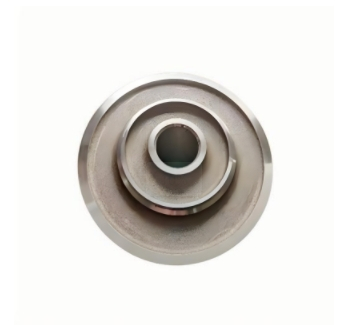
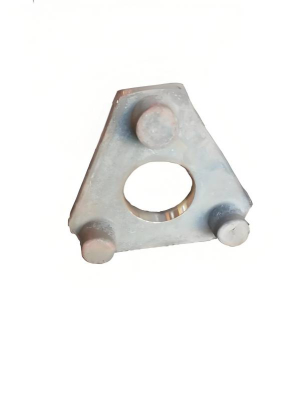
New energy vehicles have strict requirements for component safety, lightweight performance and fatigue resistance, making the selection of qualified new energy vehicle forgings manufacturers a core step for EV OEMs and accessory suppliers. Unlike ordinary mechanical parts, core load-bearing and rotating components such as vehicle forged wheel hub and forged base rely entirely on mature industrial processes to meet automotive-grade standards.
A trustworthy forging manufacturer must possess complete full-process capabilities, including professional forging forming, standardized heat treatment and high-precision machining. Many buyers fail to distinguish ordinary cast parts and low-process forgings, resulting in unqualified product stability, shortened service life and even potential driving safety hazards. This article shares the key standards for selecting excellent new energy vehicle forging suppliers.
1. Verify Professional Forging Process Capability
High-quality forgings are fundamentally different from cast parts, and the core advantage comes from standardized forging technology. Formal EV forging manufacturers adopt hot die forging and precision die forging processes for forged wheel hub and forged base blanks. High-temperature and high-pressure forging refines internal metal grains, eliminates pores, looseness and micro defects of raw materials, and forms continuous and dense metal flow lines.
When selecting a supplier, confirm whether the factory has independent forging production lines dedicated to new energy vehicle parts. Unqualified manufacturers often use semi-forged or ordinary stamped parts to replace standard forgings, which cannot meet the high-load and anti-fatigue requirements of EV chassis and wheel system components.
2. Standard Heat Treatment Process Is a Must for Stable Performance
Heat treatment is the key secondary process to determine the final performance of new energy vehicle forgings. Simple forging forming will leave residual stress inside wheel hub and base blanks, which will cause deformation, cracking and fatigue failure during long-term vehicle operation without professional heat treatment.
Reliable manufacturers configure complete heat treatment procedures for EV forgings, including stress relief annealing, quenching and tempering, and aging treatment. This process reasonably balances the hardness and toughness of forged wheel hub and forged base, eliminates forging residual stress, improves corrosion resistance and anti-fatigue performance, and ensures the components remain stable under high-speed driving and complex road conditions.
3. Precision Machining Determines Assembly Accuracy & Driving Experience
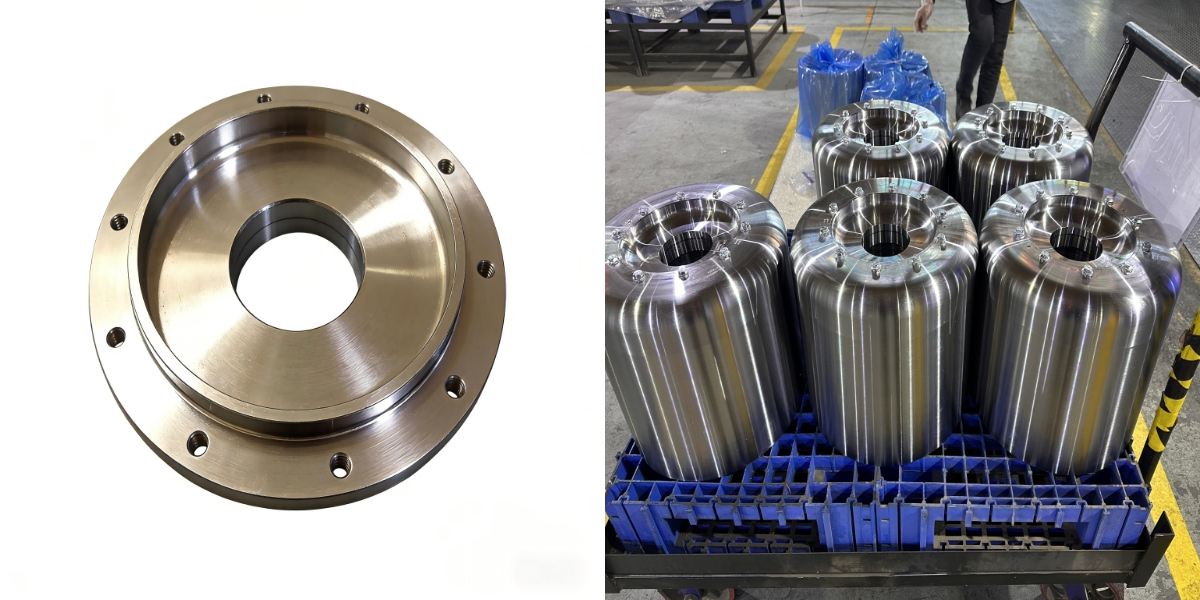
After forging and heat treatment, high-precision machining is indispensable for finished automotive forgings. New energy vehicle parts have extremely strict tolerance requirements for mounting surfaces, bolt holes, fitting dimensions and dynamic balance. Professional manufacturers adopt full CNC precision machining to process forged wheel hub and forged base, strictly controlling flatness, verticality and overall dimensional accuracy.
High-standard machining effectively avoids assembly deviation, vehicle jitter and abnormal noise caused by inaccurate part size, ensures perfect matching between forgings and EV chassis, battery base and wheel system, and improves overall driving safety and comfort.
4. Focus on Specialized Manufacturing Experience for EV Forgings
Ordinary mechanical forging factories cannot adapt to the customized needs of new energy vehicles. Professional EV forging manufacturers have long-term production experience in forged wheel hub and forged base forgings, fully familiar with the lightweight design, load-bearing standards and safety specifications of new energy automotive components.
They can optimize the forging structure, adjust heat treatment parameters and customize machining schemes according to customer drawings and vehicle operating conditions, avoiding the problems of heavy weight, insufficient strength and poor compatibility of universal mechanical forgings.
5. Complete Quality Inspection & Customization Service
Qualified new energy vehicle forgings manufacturers support full-process quality testing, including mechanical performance test, hardness test, nondestructive flaw detection and dimensional inspection. Every batch of forged wheel hub and forged base can provide complete quality reports and process traceability records of forging, heat treatment and machining.
Meanwhile, reliable suppliers support OEM & ODM customized production, meeting the personalized size and performance requirements of different new energy passenger cars, commercial vehicles and engineering vehicles.
Conclusion
Choosing an excellent manufacturer for new energy vehicle forgings is the key to guaranteeing EV component quality. Buyers should focus on the supplier’s full-process capabilities: mature forging technology, standardized heat treatment system and precise machining level, rather than only focusing on low prices. High-quality customized forged wheel hub and forged base forgings can effectively improve vehicle safety, achieve lightweight design and extend component service life.
If you are looking for a professional new energy vehicle forging manufacturer with complete forging, heat treatment and machining services, feel free to contact us. We provide customized high-quality EV forgings and one-stop manufacturing solutions for global automotive customers.