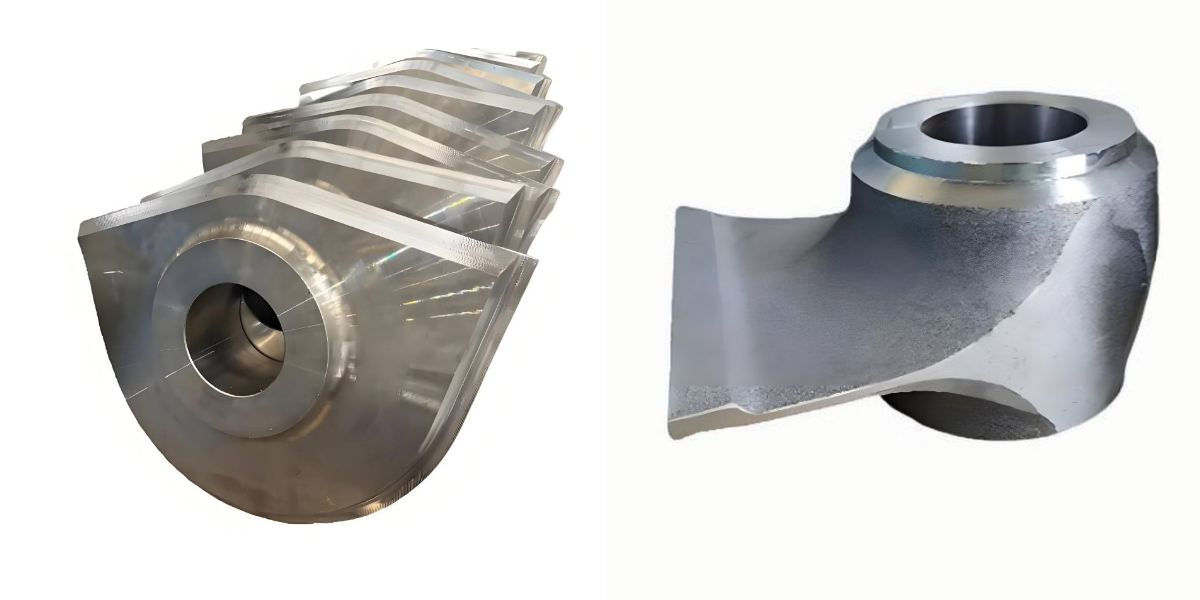
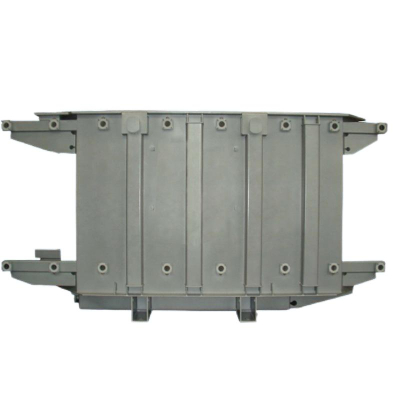
How Heat Treatment and Machining Improve Excavator Forgings Durability
Excavators are core heavy-duty construction machinery working in harsh environments such as mountain excavation, road construction, mine exploitation and earthwork projects. The key moving and load-bearing parts of excavators bear frequent impact, heavy torsion, high friction and alternating load during long-term operation. Therefore, component strength, toughness and fatigue resistance directly determine the excavator’s working stability and service life.
Compared with ordinary cast parts, excavator forgings produced by professional forging technology show far better mechanical performance. Cooperated with strict heat treatment and high-precision machining processes, forged excavator components effectively solve common failures such as cracking, deformation and severe wear, becoming the mainstream choice for high-end construction machinery supporting parts.
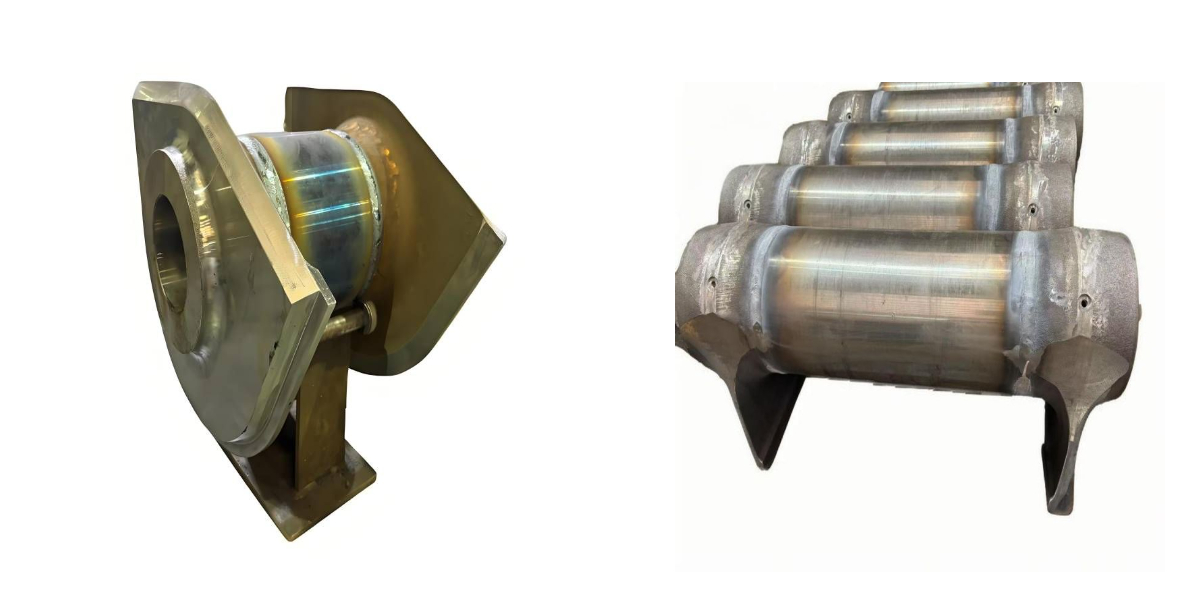
Disadvantages of Traditional Cast Excavator Parts
Most low-cost excavator accessories adopt casting process, which cannot adapt to long-term heavy-load construction conditions, with many hidden dangers:
Loose internal structure: Cast parts contain pores, sand holes and internal shrinkage, resulting in low overall density and poor impact resistance.
Easy cracking and breaking: Under frequent impact and heavy torsion, cast components are prone to brittle fracture, causing sudden equipment failure.
Poor dimensional stability: Without professional heat treatment, cast parts are easy to deform after installation, affecting assembly precision and mechanical coordination.
Short service life: Low wear resistance and fatigue resistance lead to frequent replacement and high maintenance costs.
For engineering machinery that requires high stability and high load resistance, forgings processed by integrated forging, stress-relieving heat treatment and precision machining have become the most reliable upgrade solution.
Core Advantages of Excavator Forgings
1. Dense Forging Structure, Higher Mechanical Strength
Through high-temperature and high-pressure die forging, the internal metal grains of excavator forgings are fully refined and compacted. The metal flow lines are continuous and uniform, completely eliminating structural defects of cast parts. Forged components own extremely high tensile strength and impact toughness, which can withstand instantaneous heavy impact and strong torsion during excavator operation.
2. Professional Heat Treatment Eliminates Forging Stress
After hot forging forming, all excavator forging blanks undergo standardized heat treatment processes including annealing, quenching and tempering. This procedure thoroughly removes residual forging stress, stabilizes metal microstructure, balances hardness and toughness, and avoids structural deformation or cracking in subsequent machining and long-term field operation.
3. Precision Machining Ensures Perfect Assembly
We adopt full CNC precision machining for heat-treated excavator forgings, including fine turning, milling, drilling, tooth processing and surface finishing. Strict tolerance control ensures accurate hole position, flat fitting surface and stable matching size, guaranteeing flexible movement and efficient transmission of excavator mechanical parts.
4. Excellent Wear Resistance & Fatigue Resistance
Optimized forging structure and professional heat treatment greatly improve the surface hardness and internal toughness of excavator forgings. The components can resist long-term friction, alternating load and harsh environmental erosion, effectively reducing wear failure and extending the overall service life of excavator accessories.
Complete Production Process: Forging + Heat Treatment + Machining
We provide one-stop customized manufacturing for all kinds of excavator forgings:
Raw Material Inspection → Constant Temperature Heating & Hot Die Forging → Trimming & Shaping → Professional Heat Treatment (Stress Relief, Quenching & Tempering) → Rough & Finish CNC Machining → Hardness & Mechanical Performance Test → Dimensional Inspection → Surface Treatment → Finished Delivery
Common Excavator Forging Product Range
Our high-performance excavator forgings cover almost all core load-bearing and transmission parts of construction machinery:
Excavator bucket teeth, tooth adapters and bucket link forgings
Slewing bearing forgings, slewing reducer shaft and gear forgings
Track roller, carrier roller and drive wheel forgings
Hydraulic system connecting shaft, flange and valve body forgings
Boom, arm and heavy load connecting structural forgings
Conclusion
Excavator working conditions are harsh and changeable, which puts forward extremely high requirements for component strength and durability. Traditional cast parts are difficult to meet long-term heavy-load operation needs. High-quality excavator forgings relying on mature forging technology, stable heat treatment process and high-precision machining capability have become the first choice for global construction machinery supporting parts.
If you need custom excavator forgings or one-stop forging, heat treatment and machining processing services, welcome to contact us. We support drawing customization, sample production and global bulk export, providing high-strength and long-life forging solutions for construction machinery equipment.