Sourcing Forged Hub & Base Parts for New Energy Vehicles: What Buyers Need to Know
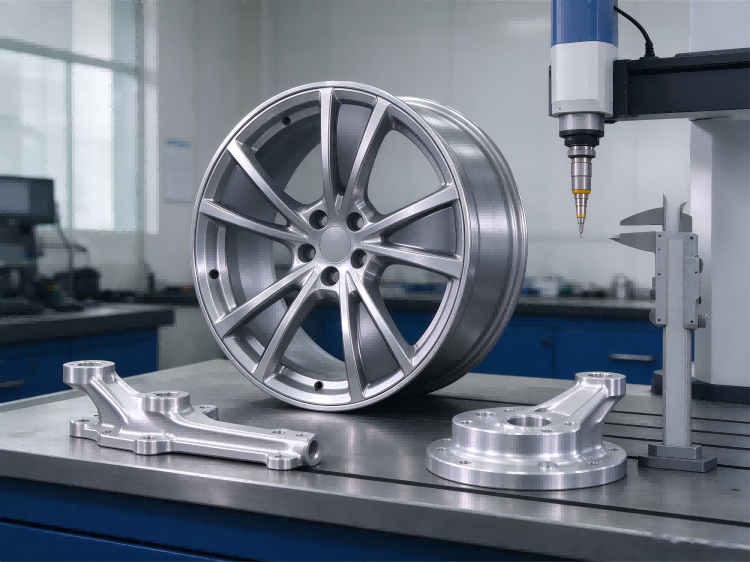
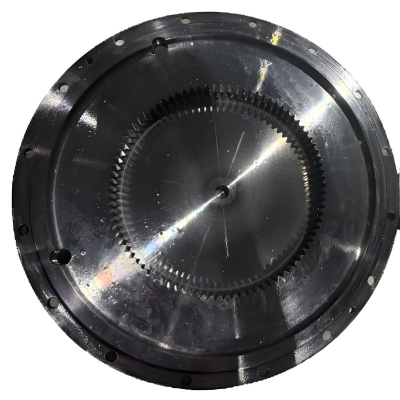
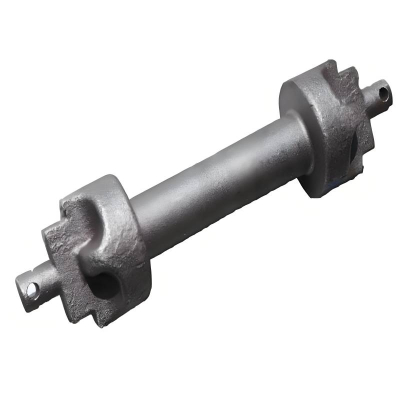
When you’re hunting structural components for new energy vehicles, you’ll find a growing number of cast components being swapped out for dependable forgings, particularly on hub and base assemblies. For any EV project, weight control, fatigue performance and stable quality can never be compromised, and a well-executed forging process is where it all starts.
Quite a few buyers focus solely on finished drawings and material test reports, overlooking the actual shop-floor processing logic. Proper forging guides the metal grain to follow the direction of applied loads. This small but critical detail heavily impacts hubs and bases. These components endure continuous impact, torque and vehicle weight throughout service life. Subpar forging creates hidden internal flaws that ultrasonic inspection can pick up, yet fixing these issues after sample sign-off will burn far more of your budget and schedule.
Hot forming finishes before heat treatment begins, and there is no shortcut for this stage. Alloys used for new energy vehicles require carefully calibrated holding, quenching and aging settings. Heat treatment strikes the balance between hardness and toughness. Without consistent process control, your finished forgings might pass one batch test but fail subsequent fatigue cycling. For every EV hub and base we produce, heat treatment batches are fully traceable, with furnace curve logs kept to meet standard automotive quality demands.
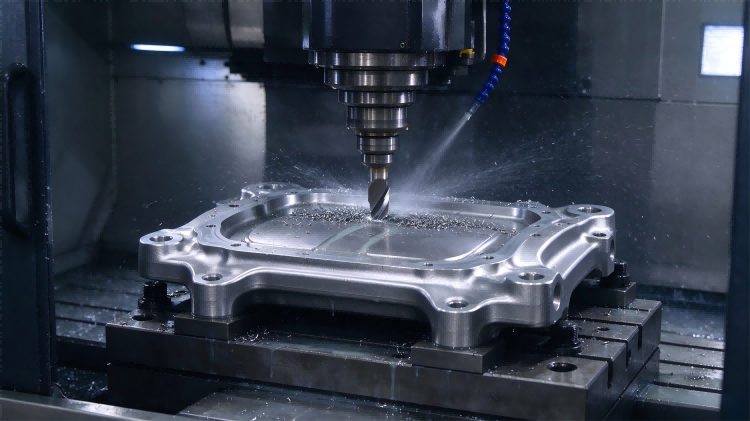
Once heat treatment is complete, machining transforms rough forging blanks into parts ready for assembly. Strict tolerances on mounting holes, contact mating faces and threaded features are critical for smooth EV chassis fitment. Many forging vendors do not operate their own in-house CNC workshops. Partnering with a single supplier that manages forging, heat treatment and machining internally removes the delays and miscommunication common with multiple sub-contractors. Drawing updates, adjustment requests and corrective actions can be handled much more efficiently.
What makes forged hubs and bases a solid pick for your new energy vehicle project? EVs carry large, heavy battery packs, so every structural piece must remain lightweight without losing mechanical strength. When manufactured correctly, forgings resist crack expansion far better than cast counterparts under cyclic dynamic loads. For OEMs and tier suppliers, this translates to fewer in-service breakdowns and more reliable long-run operation.
Our core focus lies in custom forgings built for new energy vehicles. We cover forging, heat treatment and precision machining for hubs, bases and other chassis structural components. We take on prototype sampling, low-volume validation runs and full mass production, complying with IATF 16949 standards. Share your drawings, load specifications and expected lead time, and our engineering team will assess your request and work out a practical production plan.