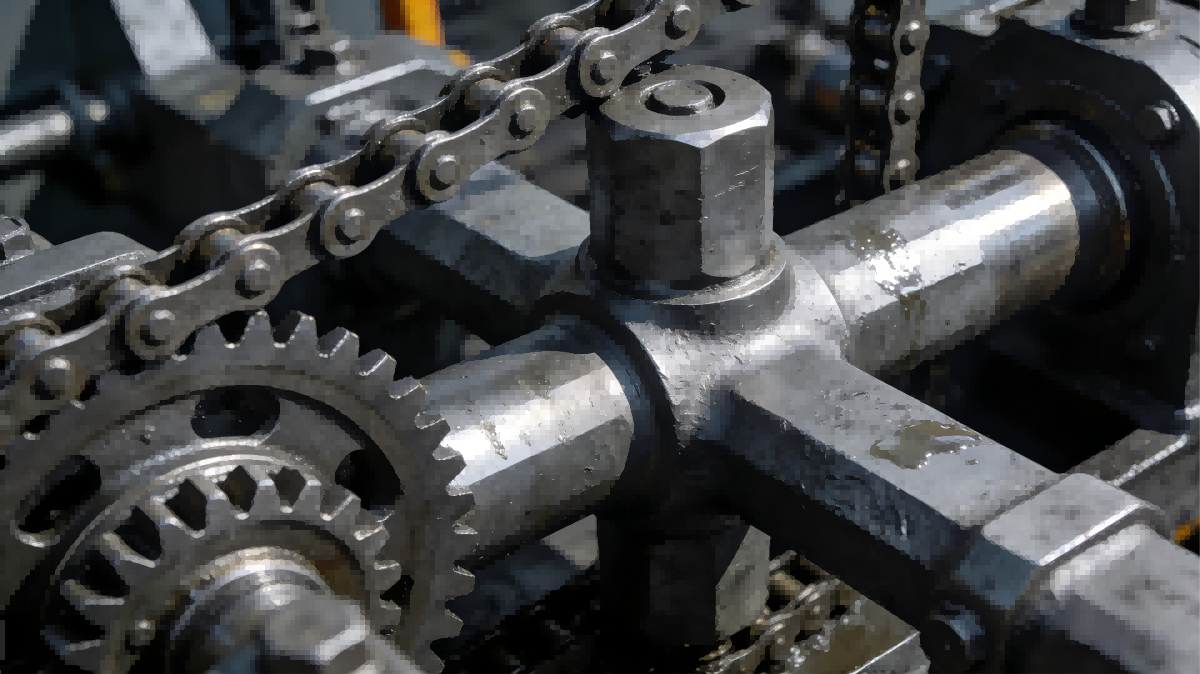
Why are forged cross shafts favored in petrochemical equipment? Performance and application analysis
Why are forged cross shafts favored in petrochemical equipment? Performance and application analysis
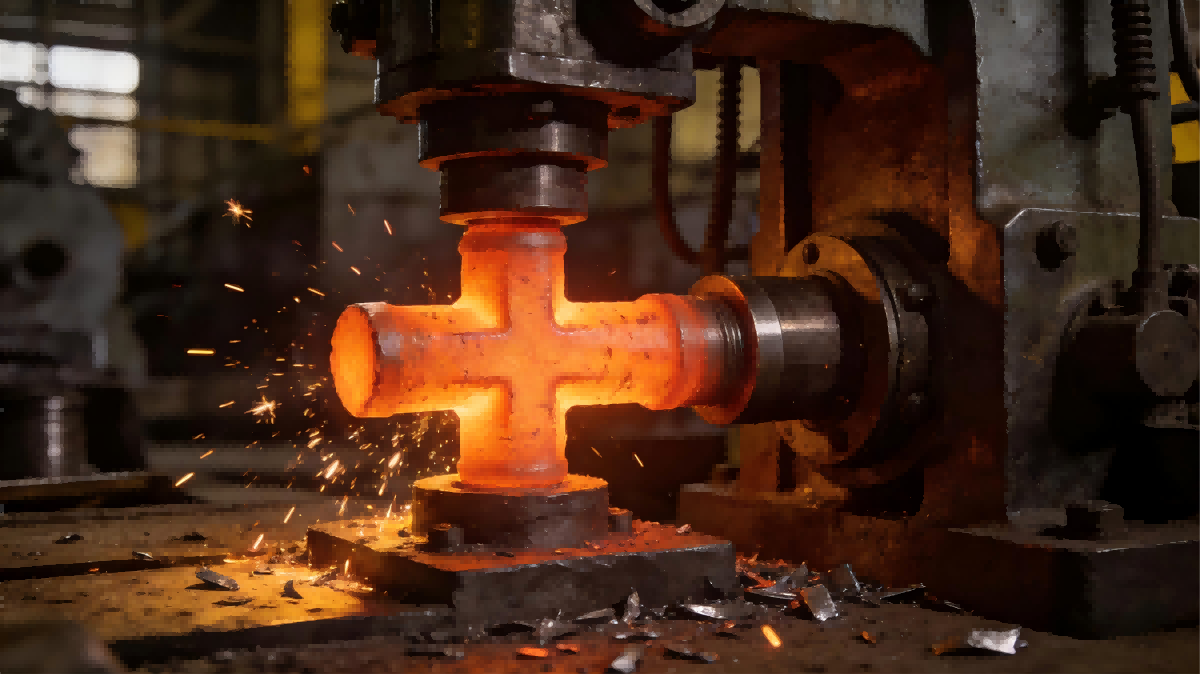
In the petrochemical industry, from drilling equipment, pumping units, conveying pumps to compressors, reducers, and high-pressure transmission systems, all require extremely high stability for their core components. The cross shaft, as the key structural component of the universal joint transmission, is responsible for transmitting variable angles of torque, compensating for axial offsets, and buffering impact loads. It is the key to ensuring the continuous and stable operation of the entire equipment.
While using forged technology to produce cross shafts, due to their dense metal structure, excellent strength and toughness, as well as fatigue resistance, they become an indispensable core transmission component in petrochemical equipment and are recognized as a highly reliable choice in the industry.
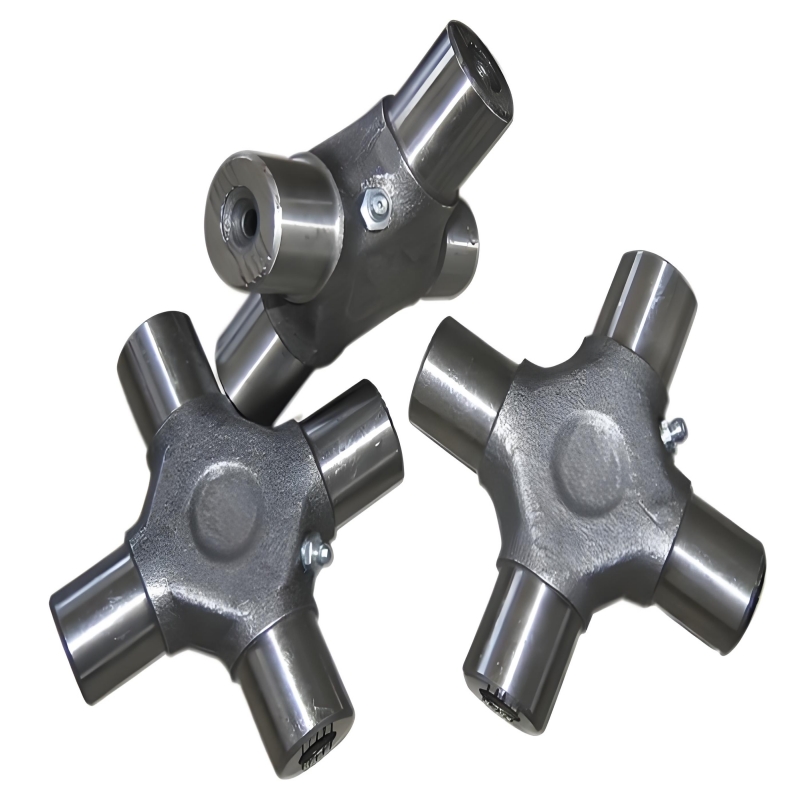
1. Why are forged cross shafts preferred in the petrochemical industry?
Petrochemical equipment often operates in harsh environments such as high temperatures, high pressures, heavy loads, and continuous operation. Ordinary casting or cutting processing cross shafts are prone to internal looseness, insufficient strength, easy wear, and even fracture. Once they fail, it may lead to shutdown, leakage, and potential safety hazards.
Forged cross shafts, through high-temperature forging, ensure a continuous and complete metal flow line, making the structure more compact. They have significant advantages:
Higher tensile and torsional strength, capable of withstanding large torques and impact loads;
Better fatigue resistance, suitable for long-term uninterrupted operation, and less prone to cracking;
Stronger wear resistance and dimensional stability, reducing maintenance frequency and downtime losses;
Can be further enhanced in hardness and toughness through heat treatment such as quenching and tempering.
For petrochemical scenarios that aim for "zero unplanned downtime", forged cross shafts are the fundamental guarantee for ensuring transmission safety.
2. Typical applications of forged cross shafts in the petrochemical industry
Forged cross shafts are widely used in various key equipment of the petrochemical industry, mainly in the following applications:
Drilling rigs, well servicing units: Bearing heavy loads and ensuring stable power transmission;
Oil pumps, booster pumps, chemical pumps: Adapt to continuous operation, reducing vibration and wear;
Compressors, centrifugal machines: Ensuring high precision, low noise, and long-term stable operation;
Refining plants, pipeline transportation equipment: Maintaining structural stability in high-temperature and corrosive environments;
Various heavy reducers and universal couplings: As the core cross shaft assembly, enhancing overall reliability.
Whether in onshore oil fields, offshore platforms, or refining plant areas, forged cross shafts support the efficient operation of petrochemical equipment with stable performance.
3. Key selection points for forged cross shafts in the petrochemical industry
To adapt to the special conditions of the petrochemical industry, when choosing forged cross shafts, the following points should be focused on:
Forging process: Prioritize precision die forging to ensure uniform structure and no internal defects;
Material selection: Use alloy structural steel, such as 20CrMnTi, 40Cr, 42CrMo, etc., to meet high strength and toughness requirements;
Thorough heat treatment: Through carburizing, quenching, tempering, etc., to enhance surface hardness and core toughness;
Precision and inspection: High dimensional accuracy, with non-destructive testing (UT/MT) for no cracks, pores, etc. as potential hazards;
Work environment adaptation: Provide customized treatments such as corrosion resistance, wear resistance according to temperature, corrosion, load levels.
4. Conclusion
In the petrochemical industry, the stability of equipment is the benefit, and the reliability of components is the safety. With its high strength, long life, and resistance to impact, forged cross shafts become the core transmission components for universal joints, reducers, pumps, compressors, and other equipment, providing a solid support for the continuous, safe, and efficient operation of petrochemical production lines.
We focus on the research and customization production of high-quality forged cross shafts, and can provide a one-stop solution from forging, heat treatment to precision processing according to the working conditions of petrochemical equipment. The product performance is stable, and the inspection is complete. It is a long-term trusted partner for domestic and foreign equipment manufacturers.