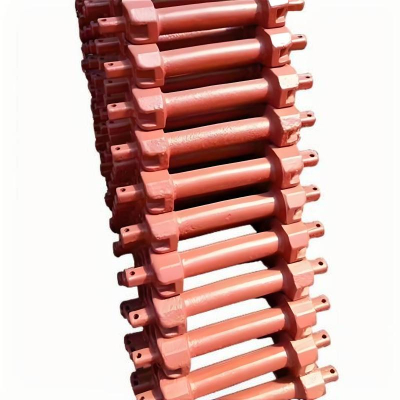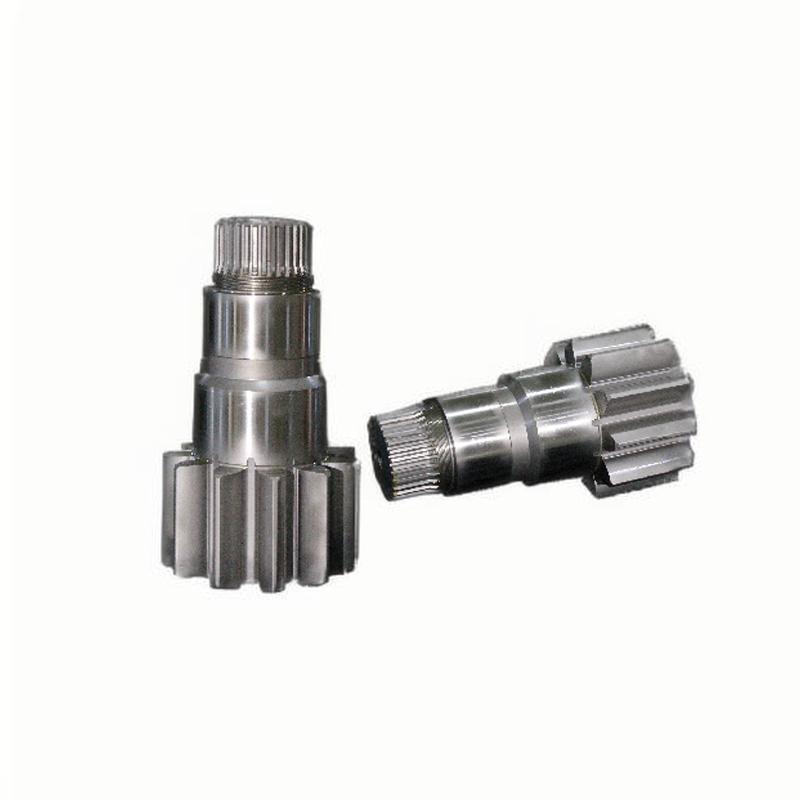
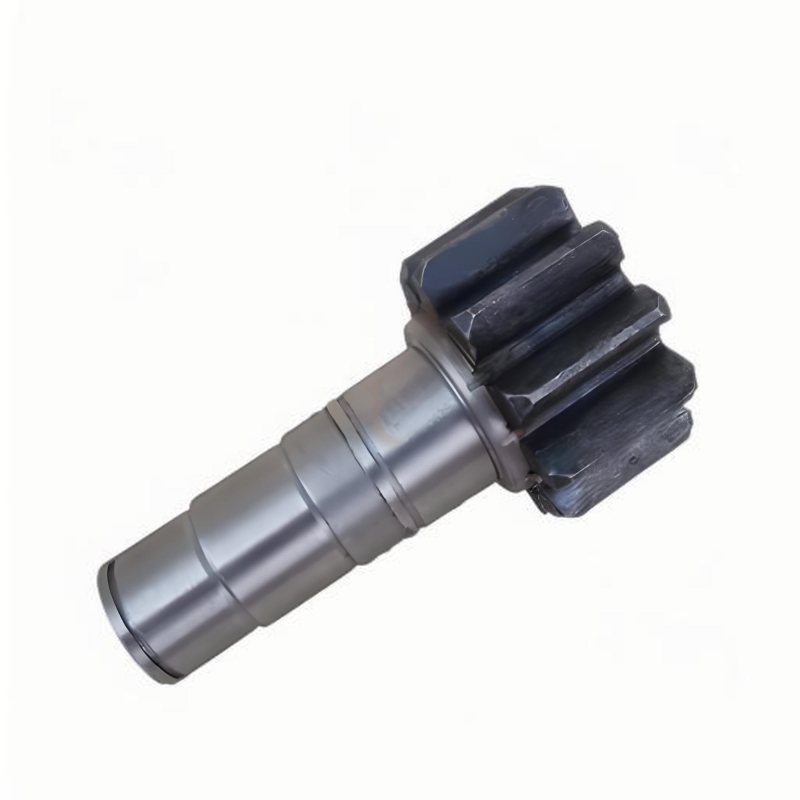
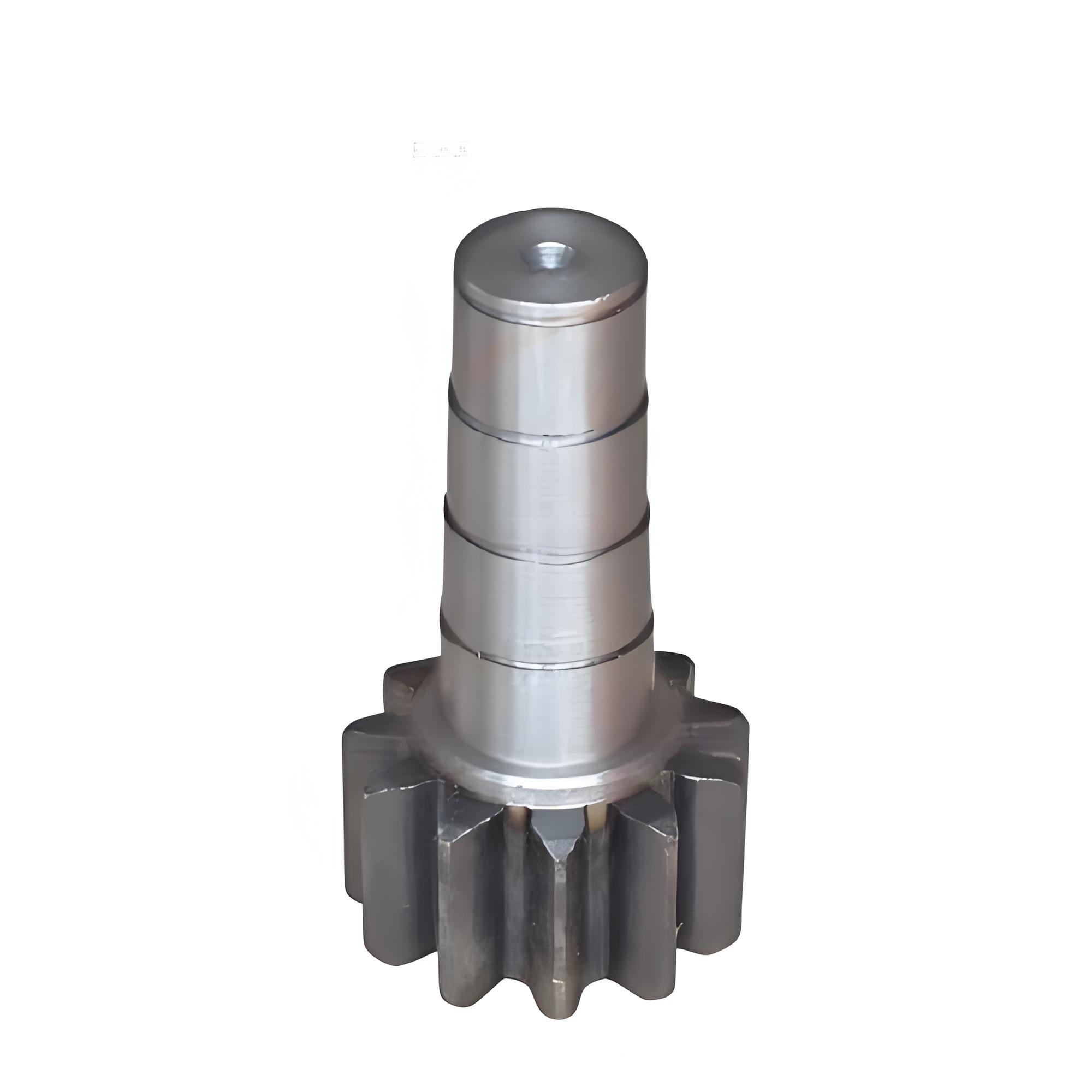
Forging Output Gear Shaft
1.Material:17CrNiMo6-4/18CrNiMo7-6/20CrMnMo
2.Machining accuracy:
External cylindrical grinding: ±0.001mm
Tooth accuracy: Grade 5
3.Mold opening cycle:About 45 days
4.Customization: Customization is accepted.
5.Advantages:
Full-process inspection
Full-process processing capability
Full-range products
6.Weight: Depend on client selection
7.Craft:Forging
Product Introduction:
The output shaft stands as a critical transmission component of the slewing reducer, serving as the vital link between the reducer’s internal power transfer mechanism and external load-bearing components. Its core function is to efficiently transmit the torque generated within the reducer to external mechanisms—such as slewing rings, gearboxes, and working attachments—enabling the conversion of rotational energy into actionable mechanical motion. Both the structural design (including shaft diameter, length, keyway configurations, and bearing mounting interfaces) and performance attributes (such as torsional rigidity, fatigue strength, and wear resistance) of the output shaft exert a direct and profound influence on the overall equipment system’s transmission efficiency, operational stability, and long-term service life.
Product Advantages:
For slewing reducers deployed in wind energy and construction machinery sectors, the output shaft serves as an indispensable bridge connecting the transmission system and the executive mechanism. Its structural design ingenuity and overall performance capabilities directly dictate the equipment’s operational reliability, transmission efficiency, and long-term service life—critical factors for industries demanding consistent performance in rigorous environments. This component boasts a suite of key strengths: robust load-bearing capacity to withstand heavy static and dynamic loads, exceptional impact resistance for sudden stressors during operation, high-precision power transmission that minimizes energy loss while maintaining low noise levels, superior fatigue durability and wear resistance to endure prolonged cyclic operation, versatile compatibility with diverse interface designs for seamless integration with different machinery setups, and reliable adaptability to harsh working conditions—including extreme temperatures, humidity, dust, and vibration.
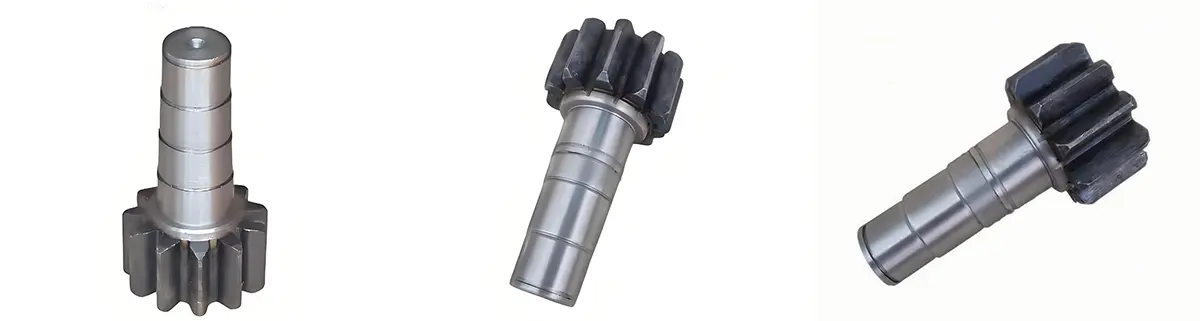
Production Process:
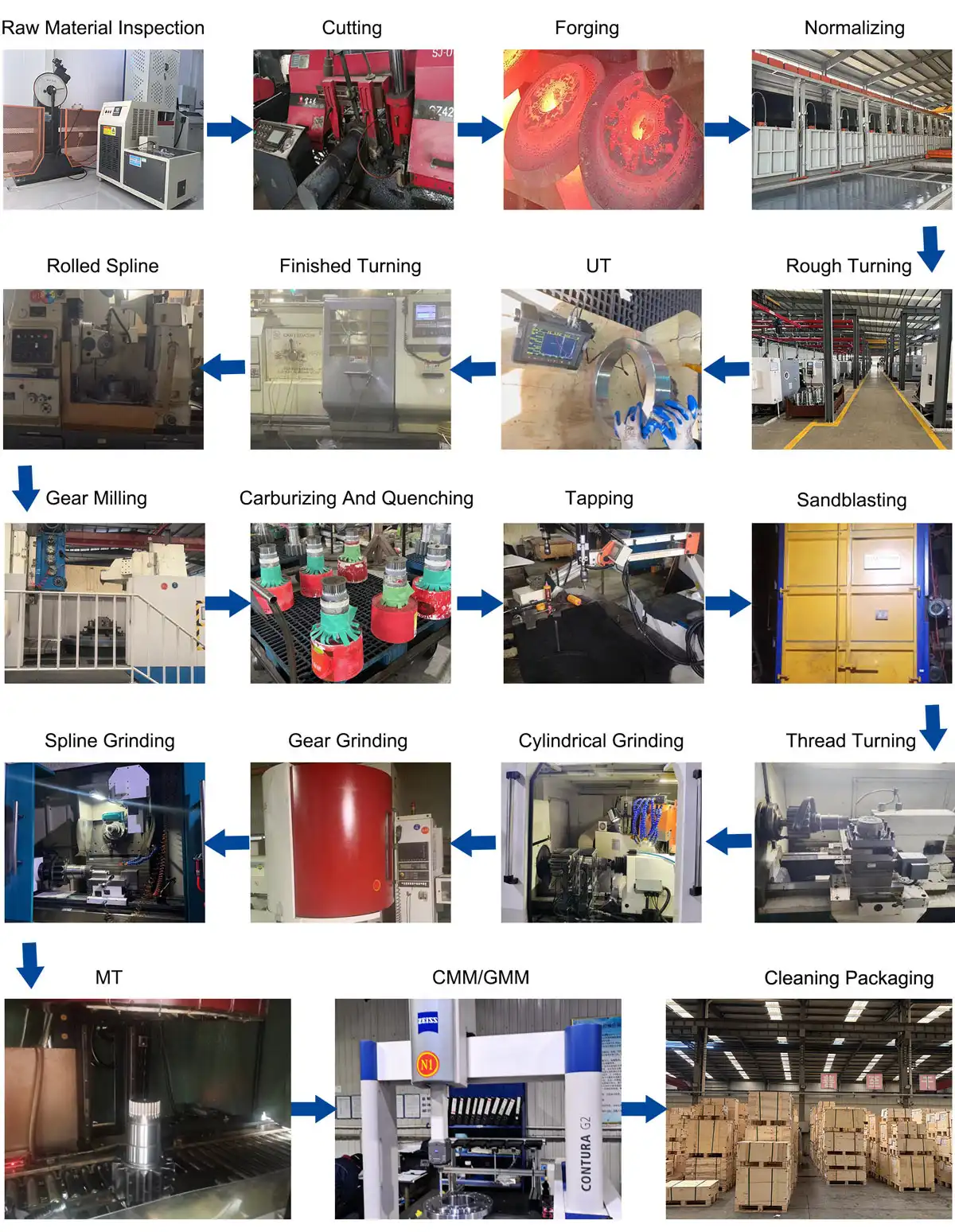
Raw material inspection→Cutting→Forging→Normalizing→Rough turning→UT→Finished turning→Rolled spline→Gear milling→Carburizing and quenching→Tapping→Sandblasting→Thread turning→Cylindrical grinding→Gear grinding→Spline grinding→MT→CMM/GMM→Cleaning packaging
 Packaging And Shipping:
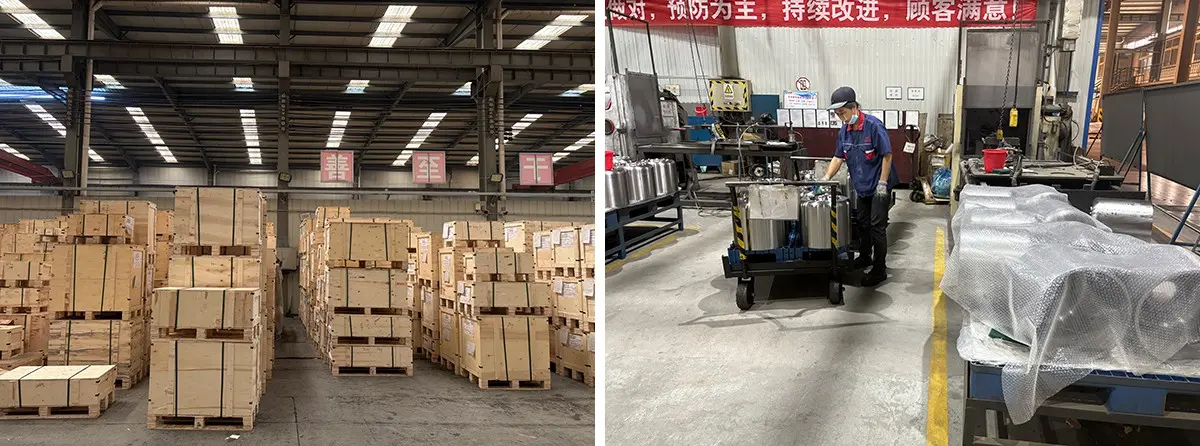
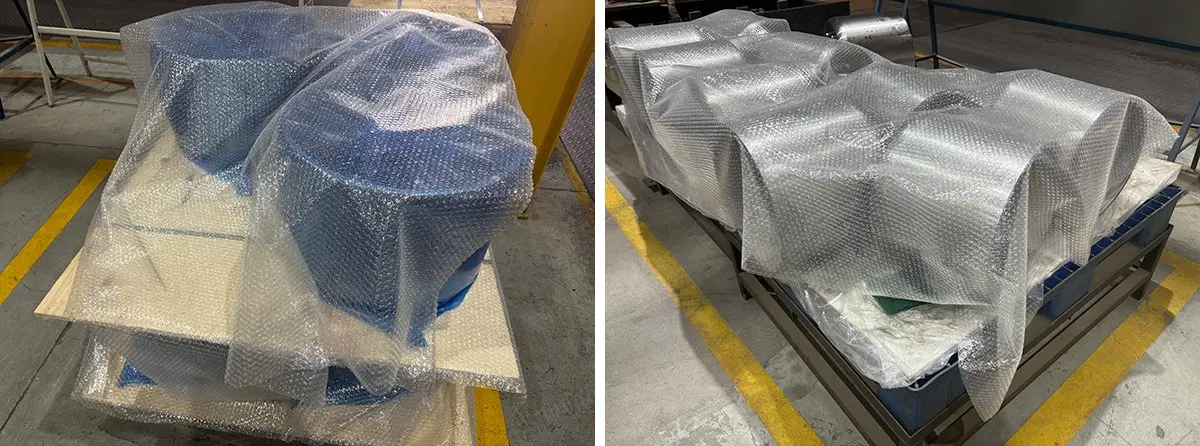
Before being shipped, every product undergoes a strict pre-delivery preparation process to ensure it reaches the customer in quality and intact condition. First, all items are carefully cleaned to get rid of residual machining lubricants, dust, or production debris—this essential step prevents contamination and allows end-users to assemble or use the product directly without issues. Next, standardized, clear labels are applied, featuring key details like product model, serial number, material specification, batch code, and handling notes for easy identification and full traceability. Metal components (e.g., shafts, gears) receive professional anti-corrosion treatment to prevent rust during storage and transportation. The specific method—whether anti-rust oil application, VCI film wrapping, or protective coating—is selected based on the product’s material and expected shipping time. After these preparations, quality control teams carry out a comprehensive final check. This verifies that all dimensional accuracy, surface finish, and performance parameters meet set standards, with any non-compliant products fixed promptly. Once inspection is passed, products are carefully packaged with appropriate materials—such as shock-absorbing foam, corrugated boxes, or wooden crates—to shield against mechanical damage, moisture, and external impacts during transit. Finally, packaged items are systematically stored in a dedicated warehouse area with controlled temperature and humidity, maintaining product quality until shipment begins.
Company Strength:
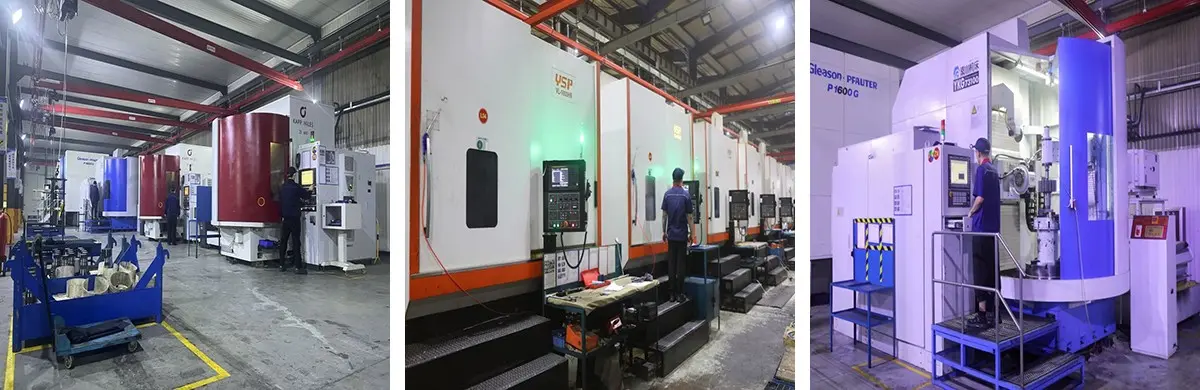
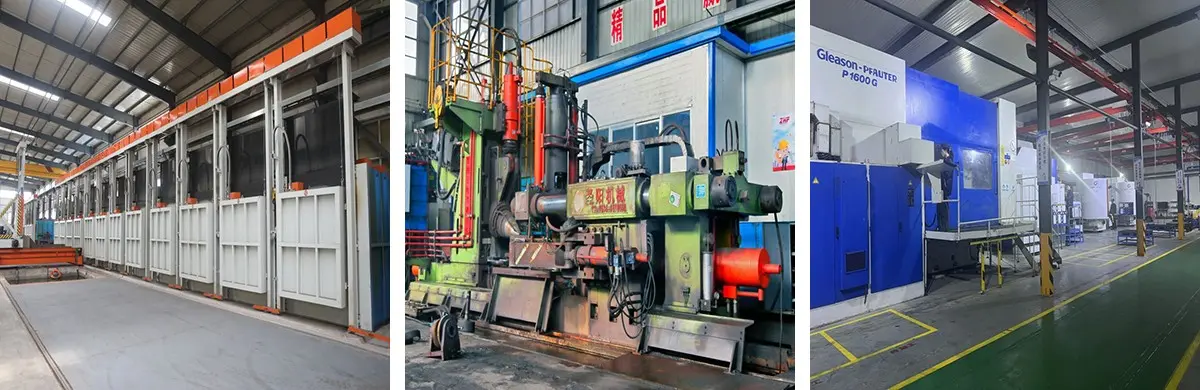
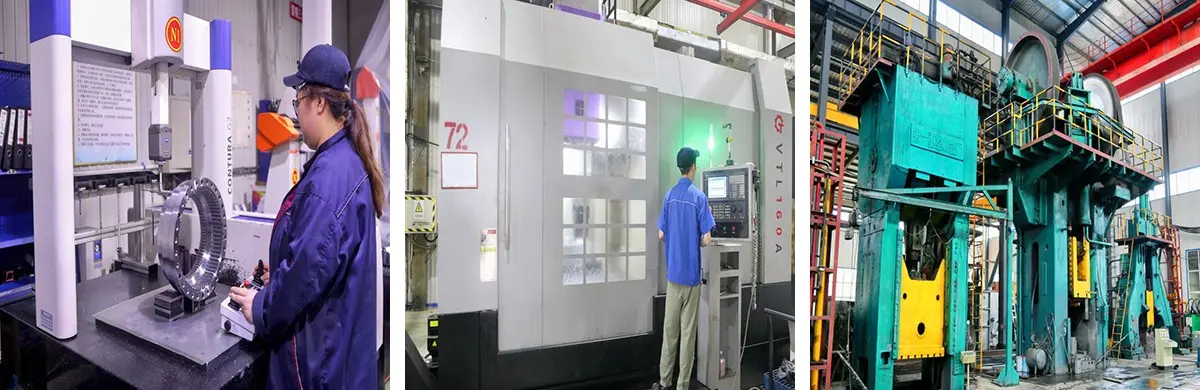
The company boasts a robust manufacturing infrastructure anchored by 20 heavy-duty forging production lines, forming the core of its production capabilities. These lines are predominantly equipped with cutting-edge equipment—including advanced screw presses, die forging hammers, and large-scale ring rolling machines—with the standout being China’s largest 25-ton die forging hammer line, a flagship asset that underscores the company’s industry-leading hardware strength. Complementing its world-class forging capacity, the company’s technical prowess is further amplified by an extensive fleet of premium equipment: over 600 core machining and testing tools, paired with 10 sets of Aichelin nitriding and carburizing lines—ranked among the globe’s most advanced heat treatment systems. This seamless integration of top-tier forging, precision machining, and state-of-the-art heat treatment equipment endows the company with full-series, end-to-end production capabilities in the sector. Supported by this comprehensive manufacturing ecosystem, the company efficiently delivers "one-stop" customized solutions to clients, covering every critical stage from raw material blank processing to fully finished, precision-machined products. This integrated service eliminates the need for clients to coordinate with multiple suppliers, streamlining their procurement processes while ensuring consistent quality control and operational efficiency across the entire production workflow.