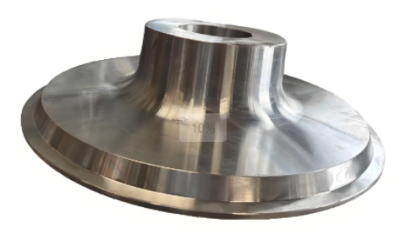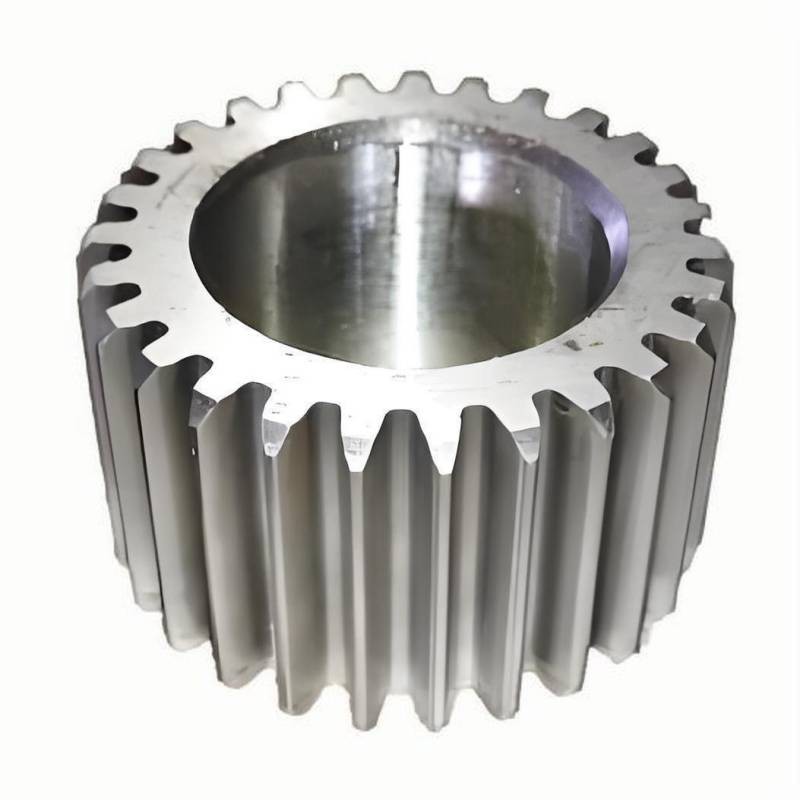
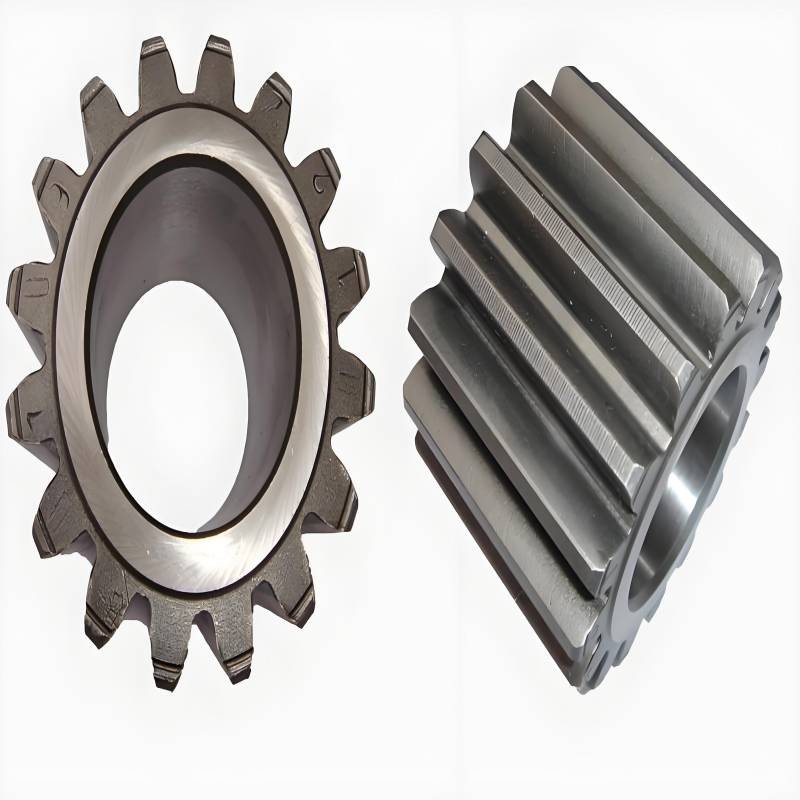
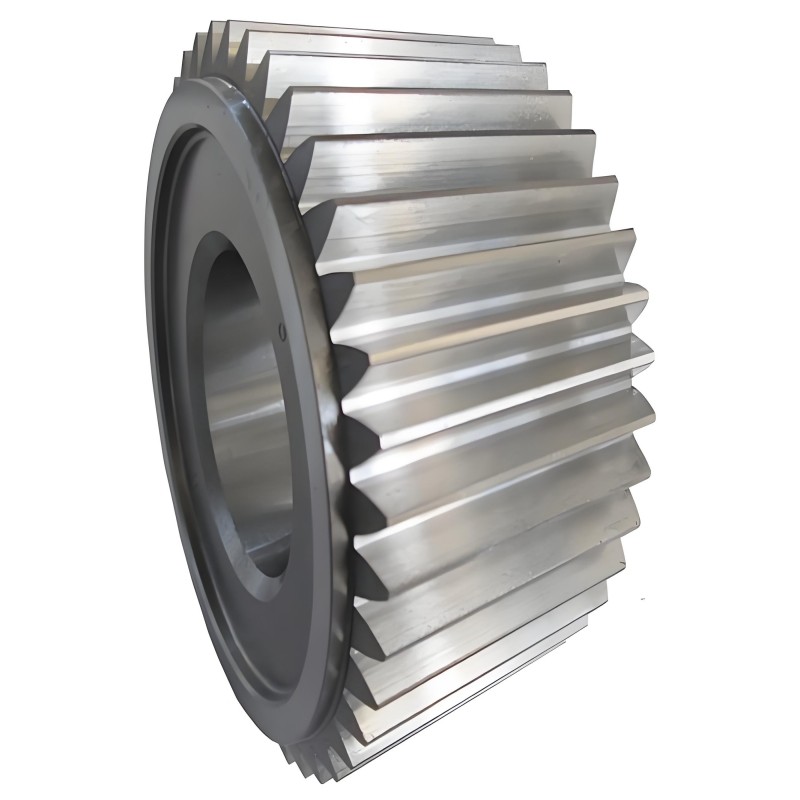
Forging Planetary Gear
Raw Material: 17CrNiMo6-4 / 18CrNiMo7-6
Tolerance: Outer circle ±0.001mm, Tooth Grade 5
Mold Lead Time: 30 days approximately
Custom Service: Custom production available
Size & Weight: Based on client drawings
Craft: Forging
Product Features:
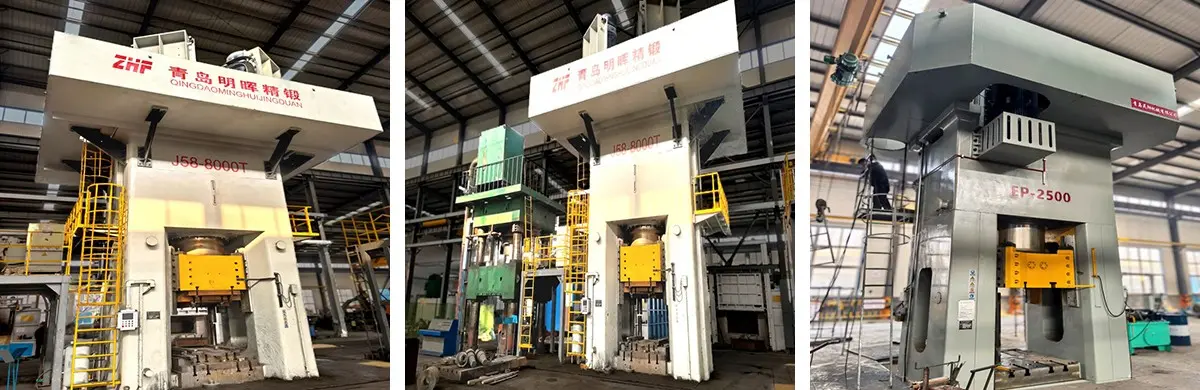
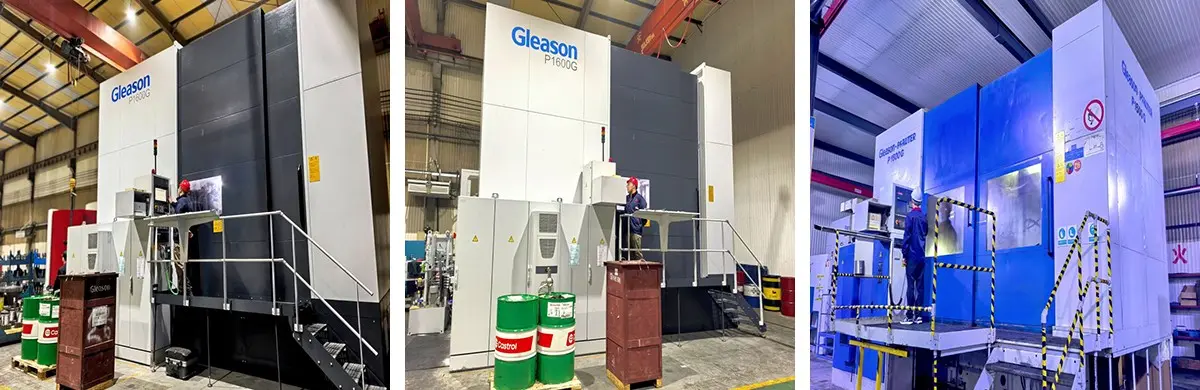
Planetary gears are essential core components for wind turbine speed-increasing gearboxes, efficiently converting the low rotor speed into the high rotational speed required for power generation. Manufactured via a sophisticated precision workflow, they adopt premium alloy steel raw materials and undergo hot forging, normalized and tempered treatment, rough machining, carburizing and quenching, as well as final precision grinding and honing. This process ensures excellent structural strength, stable material performance, high dimensional accuracy and superior surface finish. With strict quality and precision control throughout production, our planetary gears reliably withstand high rotating speeds, heavy dynamic loads and cyclic operating stresses. They deliver stable long-term performance, extending the service life and operational efficiency of the entire wind power transmission system.
Our Strengths:
We boast full-process inspection across all production stages, rigorous quality control at every link; we own robust full-process processing capability to handle customized and complex orders efficiently; meanwhile, we offer full-range products covering diverse specifications and categories, enabling one-stop sourcing and delivering unparalleled reliability, flexibility and comprehensive service advantages for global clients.
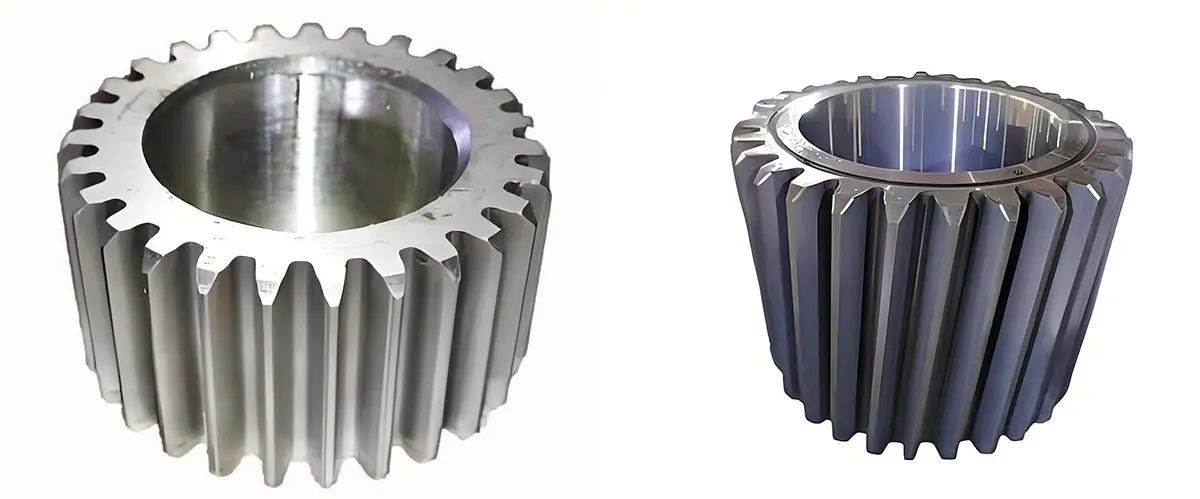
Production Process:
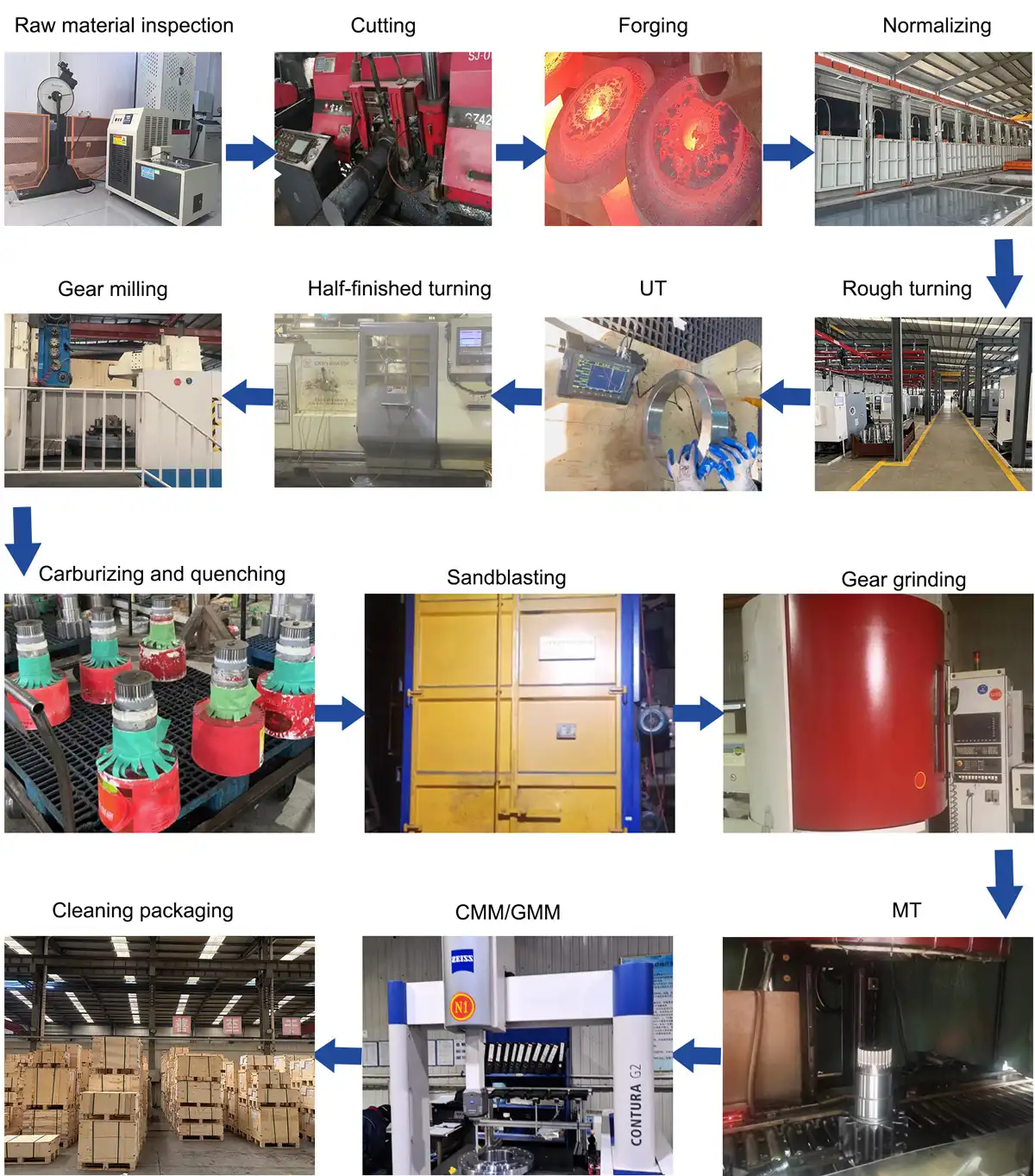
Raw material inspection → Cutting → Forging → Normalizing → Rough turning → UT → Half-finished turning → Gear milling → Carburizing and quenching → Sandblasting → Gear grinding → MT → CMM/GMM → Cleaning packaging
Shipping & Packaging:
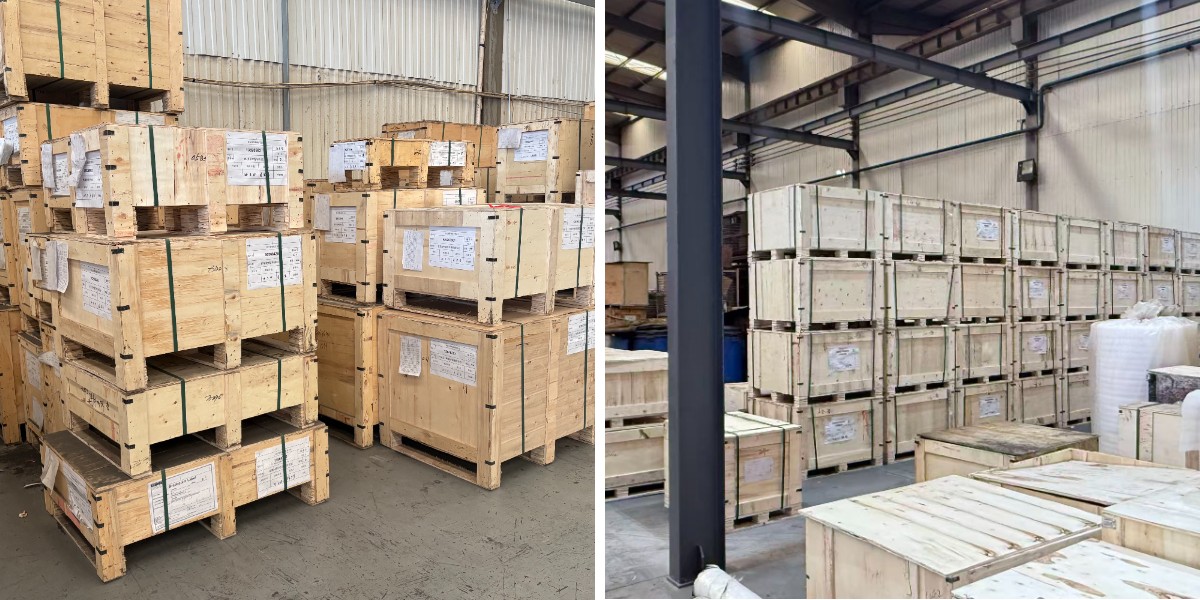
Before delivery, all products follow a strict standardized pre-shipment procedure. We conduct professional ultrasonic or high-pressure cleaning to remove surface dirt and machining residues, then attach standard labels marked with batch info, specifications and safety notes. Custom anti-rust and moisture-proof protection is applied to metal and precision parts to prevent oxidation and corrosion during transit. Every item undergoes careful visual and dimensional inspection to rule out scratches, deformation and other defects. Qualified goods are securely packed with shockproof, moisture-proof materials and reinforced cartons. They are then neatly warehoused by order, ready for shipment. The full rigorous process ensures products stay in perfect condition for safe delivery and reliable customer use.
Why Partner With Us:
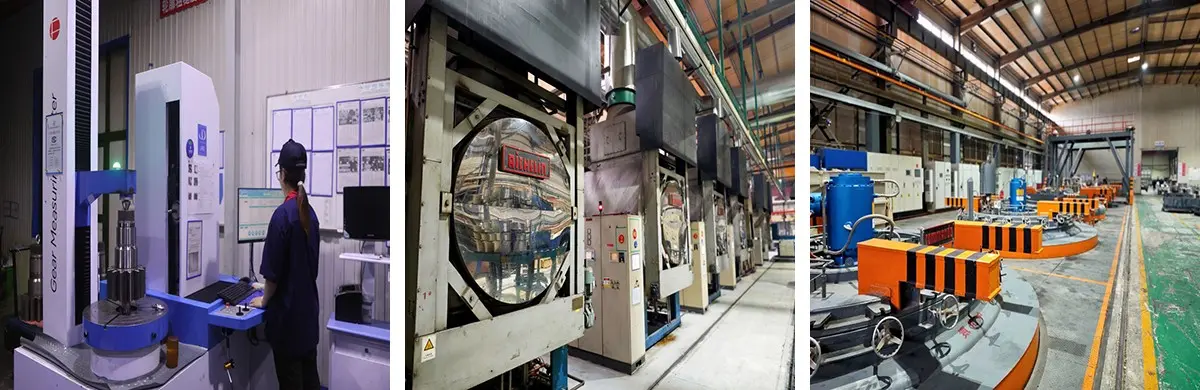
Our company is equipped with a complete lineup of top-tier imported testing and inspection instruments, including spectrometers, nitrogen-hydrogen-oxygen analyzers, Zeiss metallographic microscopes, Zeiss CMM coordinate measuring machines, and M2M ultrasonic phased array flaw detectors. Relying on this high-end professional equipment, we have built full-coverage quality testing capacity covering raw materials to finished products. It supports accurate chemical composition analysis, material hardness and mechanical performance testing, high-precision dimensional and tolerance detection, as well as professional non-destructive testing. We can effectively spot tiny internal cracks and structural flaws without damaging workpieces. Strict quality screening is implemented throughout incoming material inspection, production process monitoring and finished product verification. With sophisticated testing hardware and standardized inspection procedures, we maintain stable product quality, deliver high-precision manufacturing results, and fully meet customers’ stringent requirements for quality and reliability.