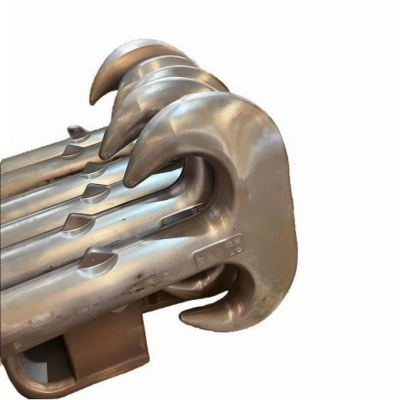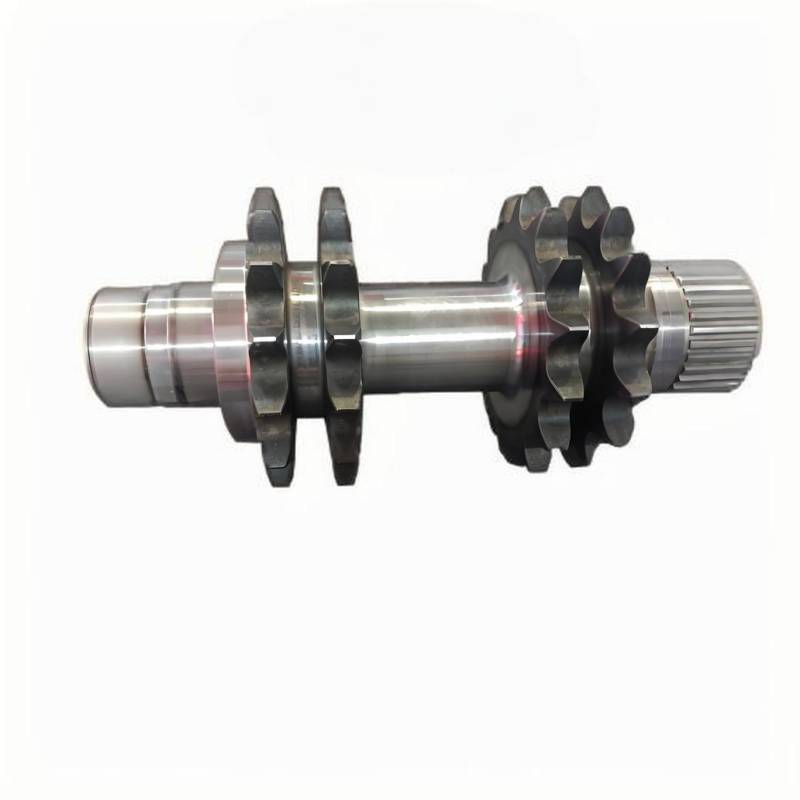


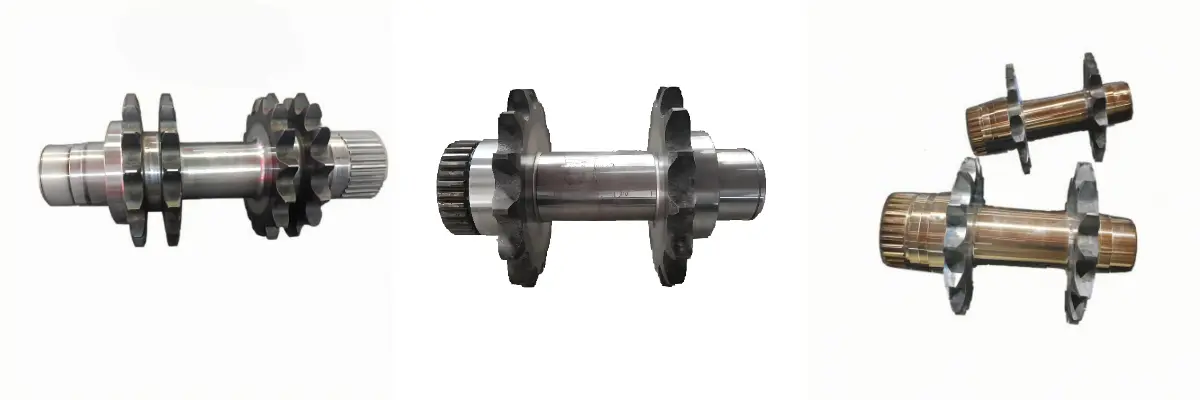
Petrochemical Equipment Sprockets Wheel
1.Material:42CrMo
2.Machining accuracy:
Excircle: ±0.01mm
3.Mold opening cycle:About 45days
4.Customization: We design and manufacture tailor-made products to your exact technical requirements.
5.Advantages:
Our strict process inspection ensures every product meets defect-free standards.
Streamlined one-stop processing delivers efficiency and cost savings.
From standard to custom, our wide product range solves all your needs.
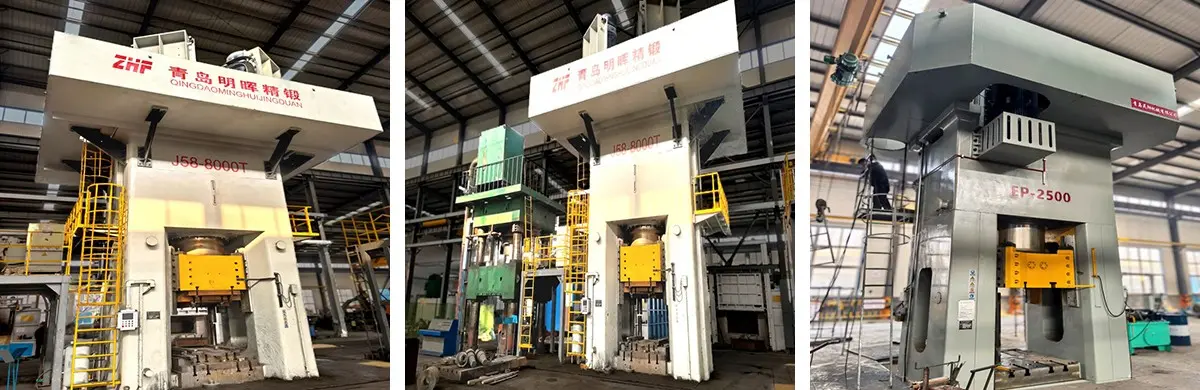
6.Craft:Forging
Product Introduction:
The sprocket wheel stands as a pivotal component in the power transmission systems of the petrochemical industry. Its comprehensive performance is directly tied to the uninterrupted workflow and operational safety of petrochemical production processes, acting as an indispensable link to safeguard the stable and secure running of petrochemical plants. The core function of the sprocket wheel is to convert the rotational motion generated by prime movers—such as electric motors or hydraulic motors—into the linear or cyclic motion of the matching chain. This precise motion conversion is realized through the accurate meshing between the sprocket’s teeth and the chain links. This coordinated engagement then drives the operation of heavy-duty load-bearing components across petrochemical facilities, including conveyor belts for transporting raw materials and finished products, as well as stirring shafts for mixing reaction materials in tanks and vessels.
Product Advantages:
Typically crafted from high-strength metallic alloys, sprockets undergo a series of specialized heat treatment processes—such as quenching and carburizing—to achieve a hard, wear-resistant surface paired with a tough, ductile core. This optimized material structure equips them to effectively withstand heavy torques and sudden impact forces during prolonged operation. Boasting stable and high-efficiency power transmission capabilities, sprockets excel in adapting to the complex working conditions prevalent in petrochemical facilities, from high-temperature and high-pressure zones to dusty, corrosive environments. This reliability is key to ensuring uninterrupted production workflows. In the petrochemical sector, sprockets have evolved into core components that drive heavy-duty machinery and material handling systems, owing to their outstanding advantages: exceptional load-bearing capacity, robust resistance to harsh operating environments, high transmission efficiency, compact structural design, and convenient maintenance. Given that their performance directly impacts production safety, operational continuity, and overall cost-effectiveness, sprockets have established themselves as indispensable key elements in the power transmission systems of the petrochemical industry.
Production Process:
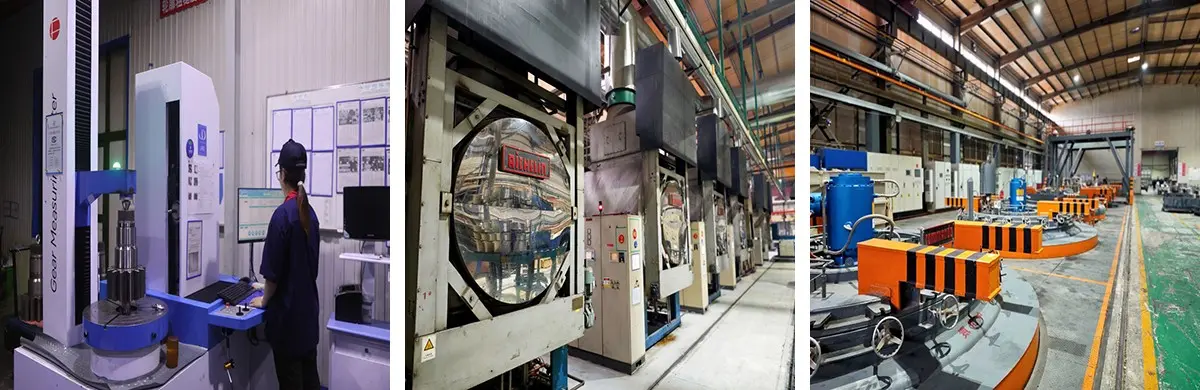
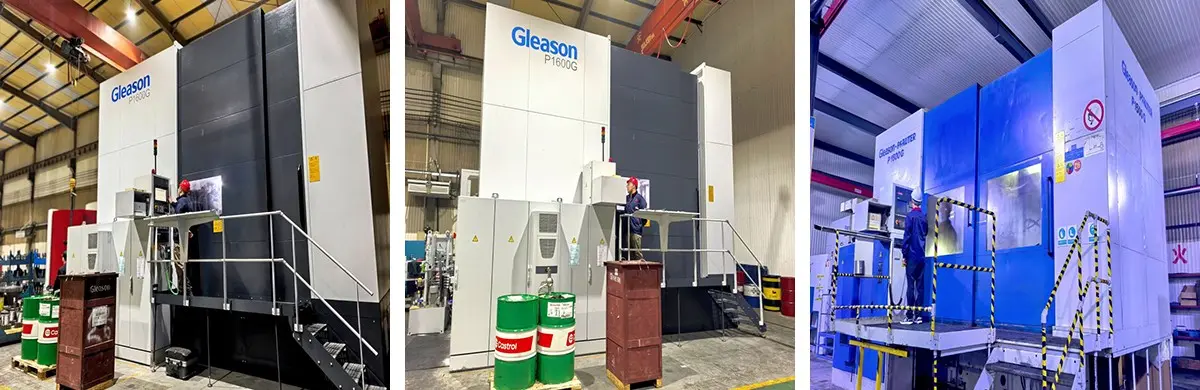
Raw material inspection→Cutting→Forging→Normalizing→Rough turning→Rough milling→UT→Quenched and tempered→Shot peening→MT→Finished turning→Finished milling→Drilling and Tapping→CMM/GMM→Cleaning packaging
Packaging And Shipping:
Our dedicated quality assurance team implements rigorous, order-specific quality control protocols for every single consignment, leaving no detail overlooked. Prior to shipment, all products undergo a standardized three-step preparation process to ensure optimal condition and compliance:
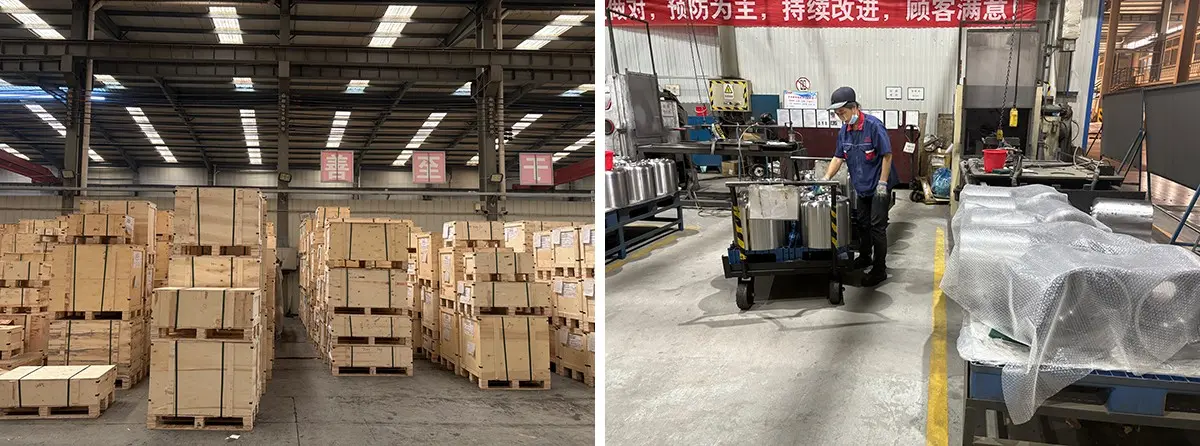
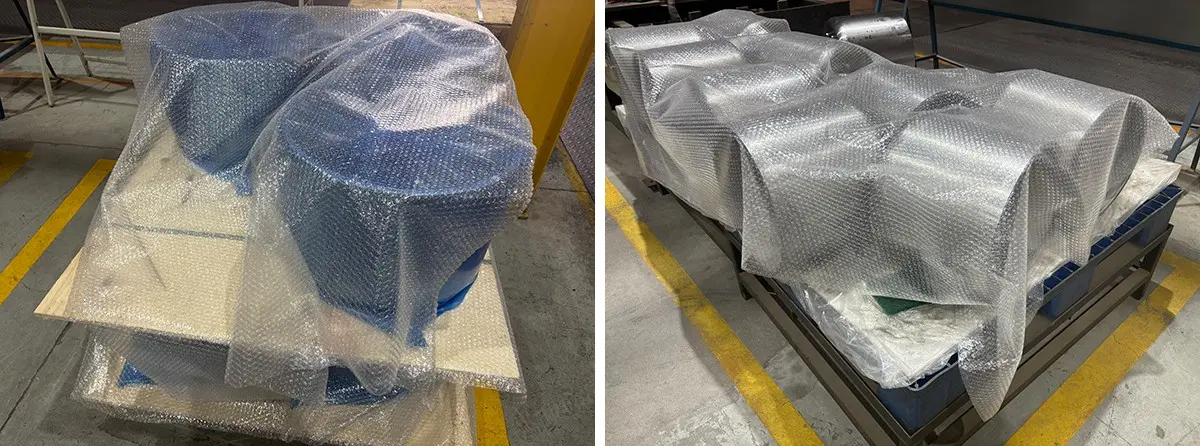
First, each unit is subjected to thorough industrial cleaning—utilizing ultrasonic or high-pressure washing methods—to eliminate all machining residues, surface contaminants, and metal dust accumulated during production. Second, clear, standardized identification labels are affixed to every product, displaying critical information such as model numbers, batch codes, technical specifications, and inspection dates, enabling seamless product identification and full traceability throughout the supply chain. Third, a layer of industrial-grade anti-rust coating is meticulously applied to all metal surfaces; for precision components, additional protective measures like vacuum-sealing or rust-inhibiting wrapping are adopted to ensure long-term corrosion resistance during storage and transit. Upon completion of these preparatory steps, our certified inspectors carry out a comprehensive visual and dimensional inspection, verifying surface finish, coating uniformity, label accuracy, and overall product integrity against strict quality standards. Only products that pass this final check proceed to packaging. Finally, the qualified products are carefully packed using shock-absorbent foam, moisture-resistant liners, and reinforced corrugated cartons, tailored to each item’s size and fragility. These packaged goods are then systematically stored in our well-organized warehouse, sorted by order number for quick retrieval, and kept in a ready-to-ship state for prompt delivery as soon as the shipping instructions are confirmed.
Company Strength:
The company’s senior management has long identified digital transformation as a core strategic priority, and has been consistently pursuing the in-depth integration of digital technologies with day-to-day operational management. To this end, we have built an intuitive, data-integrated digital platform that fully enables online management of critical business processes—including real-time fault reporting, standardized nonconformance review, end-to-end product traceability, and multi-level hierarchical auditing. This digital system optimizes the fault feedback workflow by empowering frontline teams to submit issue reports with attached photos and detailed descriptions in real time. Submitted issues are then automatically routed to the relevant responsible personnel, eliminating delays caused by manual handover procedures. For nonconformance reviews, the platform standardizes the entire process with clearly defined approval stages and electronic record-keeping, ensuring that every decision is fully traceable and strictly aligned with established quality standards. The full-process product traceability function seamlessly connects data points spanning raw material inbound inspections, every stage of the production process, and final product delivery, allowing authorized users to retrieve the complete history of any product within seconds. Furthermore, the hierarchical auditing module supports customizable audit plans, real-time progress tracking, and automated report generation, ensuring that quality checks cover all operational levels without any blind spots. By digitizing these key operational processes, we have not only greatly improved the standardization of issue resolution, but also reduced the average problem-solving time by more than 30%. This digital upgrade has directly enhanced the company’s overall operational efficiency, while further strengthening its capacity to sustain stable, high-quality production operations.