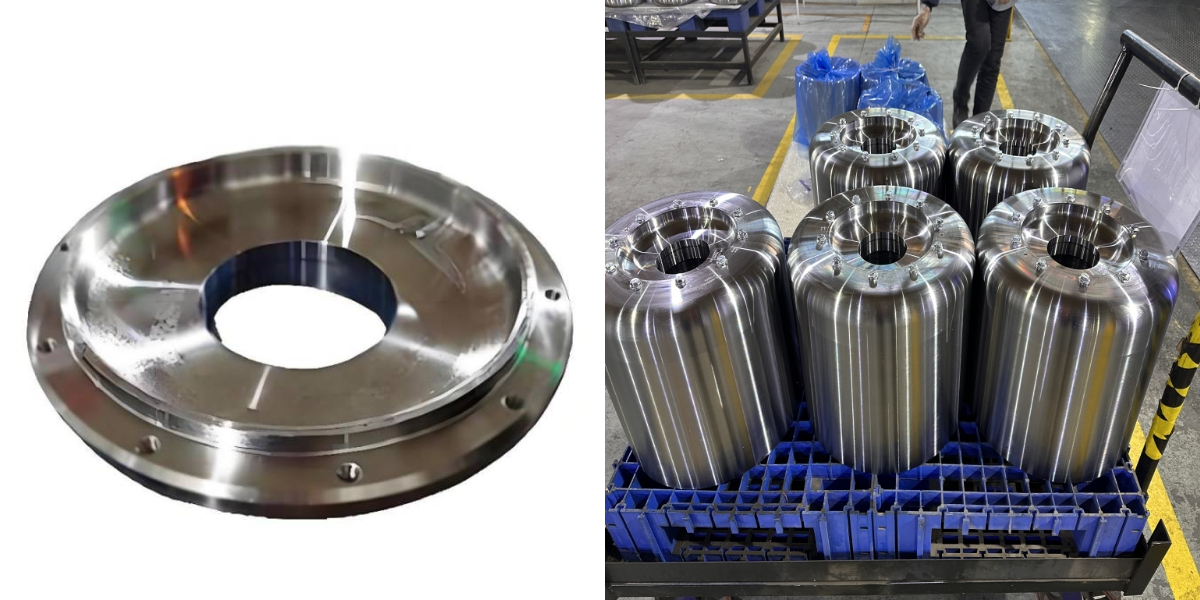
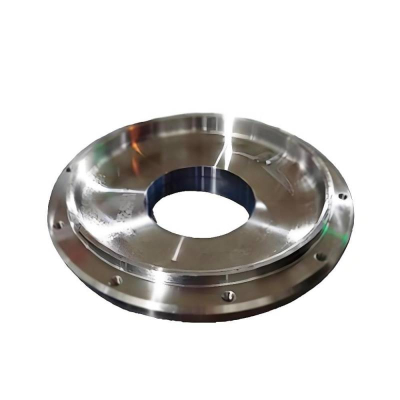
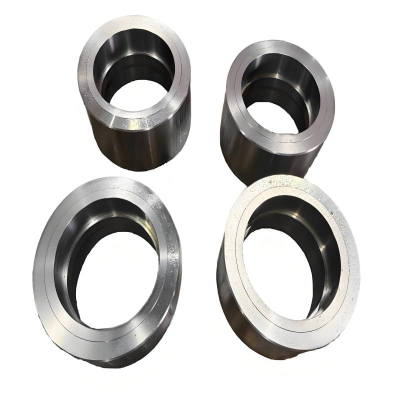
Introduction: EV chassis - the "skeleton" of an electric vehicle, the core carrier of the EV base and EV wheel hub
Introduction: EV chassis - the "skeleton" of an electric vehicle, the core carrier of the EV base and EV wheel hub
With the segmentation of the new energy vehicle market, the technical route differences between low-speed electric vehicles (such as commuter vehicles and track vehicles) and high-speed electric vehicles (passenger cars and commercial vehicles) are becoming increasingly significant. As the "skeleton" of an electric vehicle, the chassis not only determines the vehicle's driving stability, safety and comfort, but also directly relates to the selection logic of the EV base (the core load-bearing component of the chassis) and the EV wheel hub (the key component for power transmission). This article will analyze the differences between low-speed and high-speed EV chassis from three aspects: core differences, technical requirements, and application scenarios, to help readers understand the adaptation principles of EV bases and EV wheels in different scenarios.
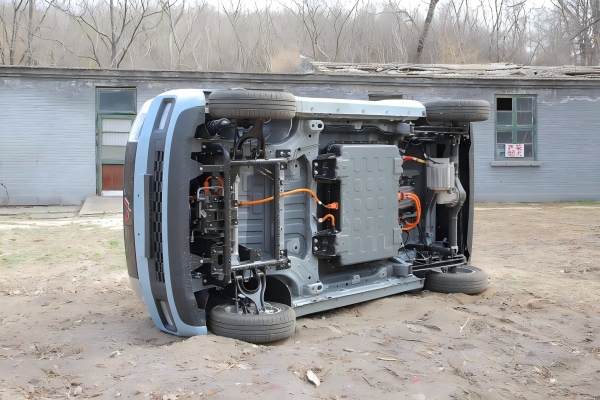
I. Core Positioning Differences: For low-speed EV chassis, "practicality comes first"; for high-speed EV chassis, "performance is king"
1. Low-speed EV chassis: Suitable for short-distance commuting, the EV base and EV wheels focus on economy
The core demands of low-speed electric vehicles are "low cost, high durability and easy maintenance", mainly applied in scenarios such as short-distance commuting in cities, connection in scenic spots and logistics in factory areas, with a speed usually not exceeding 50km/h. Therefore, its chassis design centers on "simplifying the structure and controlling costs" :
EV base: It mostly adopts an integrated steel plate base formed by stamping, with a simple structure and moderate load-bearing capacity. It does not require complex shock absorption and protection designs, mainly meeting the basic installation requirements of batteries and motors, while also taking into account lightweight and economy.
EV hub: Mainly solid wheels or simple cast aluminum wheels, with smaller sizes (commonly 12-14 inches), emphasizing wear resistance and low failure rate. There is no need to deal with wind resistance and heat dissipation pressure brought by high-speed driving. Cost control is the core consideration.
2. High-speed EV Chassis: Pursuing ultimate performance, the EV base and EV wheels focus on safety and stability
High-speed electric vehicles (with a speed of ≥100km/h) need to cope with complex road conditions, high-speed driving stability and collision safety and other strict requirements. The chassis design is centered around "high strength, high precision and high integration", and is widely used in family sedans, SUVs, new energy commercial vehicles and other fields.
EV base: An integrated chassis made of aluminum alloy or carbon fiber composite materials (such as the integrated base of Tesla 4680 battery structural components), which not only needs to bear the weight of the battery pack, motor, and electronic control system, but also has the ability to resist twisting and impact. At the same time, it achieves lightweight through structural optimization and reduces energy consumption. Some high-end models will also integrate anti-collision beams and battery protection plates in the base to enhance passive safety performance.
EV hub: Mostly forged aluminum alloy wheels, with a relatively large size (16-22 inches), are designed to take into account aerodynamics (reducing wind resistance), heat dissipation performance (dealing with wheel hub heating during high-speed driving), and load-bearing strength. Some high-performance models are also equipped with wheel hub motors, directly integrating the power system into the wheel hub to further optimize the utilization rate of chassis space.
Ii. Differences in Technical Requirements: From structure to material, the compatibility logic between EV base and EV wheel hub
1. Structural strength: The rigidity requirement for the EV base of high-speed EV chassis doubles
Low-speed EV chassis: With a low driving speed and less road impact, the tensile strength requirement for the EV base is approximately 200-300 mpa, which only needs to meet the basic load-bearing capacity for daily short-distance driving.
High-speed EV chassis: When driving at high speed, the chassis needs to withstand multiple loads such as road bumps, centrifugal force during turns, and emergency braking. The tensile strength of the EV base must reach over 500MPa. Some luxury models even use aviation-grade aluminum alloy or carbon fiber materials to ensure that the chassis does not twist or deform, guaranteeing driving safety.
2. Shock Absorption and handling: The high-speed EV chassis relies on the coordination of the EV wheel hub and suspension system
Low-speed EV chassis: The shock absorption system is simplified, mostly using leaf springs or simple MacPherson suspensions. The shock absorption requirements for EV wheels are relatively low, only needing to filter out minor road vibrations.
High-speed EV chassis: Equipped with high-end configurations such as multi-link independent suspension and air suspension, the EV wheel hub needs to be precisely matched with the suspension system. By optimizing the wheel hub offset and ET value, the vehicle's steering response speed and driving stability can be enhanced. Meanwhile, the dynamic balance accuracy of the wheel hub is required to be extremely high (error ≤5g) to prevent shaking during high-speed driving.
3. Degree of integration: The high-speed EV chassis drives the integration of the EV base and the battery
Low-speed EV chassis: The EV base, battery and motor are mostly designed separately, which is convenient for installation but has a low space utilization rate.
High-speed EV chassis The mainstream adopts the "battery-chassis integration" technology (CTC/CTB), where the EV base directly serves as the lower shell of the battery pack. This not only enhances space utilization (increases range) but also strengthens the rigidity of the chassis through structural integration. Meanwhile, the EV wheel hub forms a coordinated control with the motor and electronic control system to achieve precise adjustment of power response.
Iii. Application Scenarios and Selection Suggestions: How can EV bases and EV wheels be adapted to Different Chassis?
1. Low-speed EV scenarios (commuting, shuttle services, logistics)
The core of selection: Economy and durability take priority.
EV base: It is recommended to use a one-piece base made of stamped steel plate, which is cost-effective, easy to maintain, and compatible with lead-acid batteries or small lithium batteries.
EV rims: Choose solid cast aluminum rims or simple spoke rims, with a size of 12-14 inches, to ensure that the load-bearing capacity meets daily use.
2. High-speed EV scenarios (household, commercial, high-performance)
Key points of selection: Safety, stability, and battery life optimization;
EV base: Prefer an integrated base made of aluminum alloy or carbon fiber composite material, which supports battery-chassis integration to enhance rigidity and space utilization.
EV hubs: Forged aluminum alloy wheels are recommended, with a size of over 16 inches. They focus on aerodynamic design and heat dissipation performance. High-performance models can be equipped with wheel hub motors or lightweight forged hubs.
Conclusion: The differentiated development of EV chassis drives the technological upgrade of EV bases and EV hubs
The core difference between low-speed and high-speed EV chassis is essentially a "demand-oriented" technological differentiation: low-speed chassis focus on "practical economy", while EV bases and EV wheels emphasize basic functions. High-speed chassis, with "performance and safety" at its core, promotes the development of EV bases towards integration and high strength, and upgrades EV wheels towards lightweight and integration. With the iteration of new energy vehicle technology, the EV base and EV wheel hub, as the core components of the chassis, will continue to adapt to the demands of different scenarios and become the key factors influencing the performance and experience of electric vehicles. Whether for low-speed commuting or high-speed travel, precisely matching the EV base and EV wheel selection based on the chassis type is the core prerequisite for ensuring the stable operation of the vehicle.